2026
DOD BCRP Tops $4.6 Billion in Federal Funding
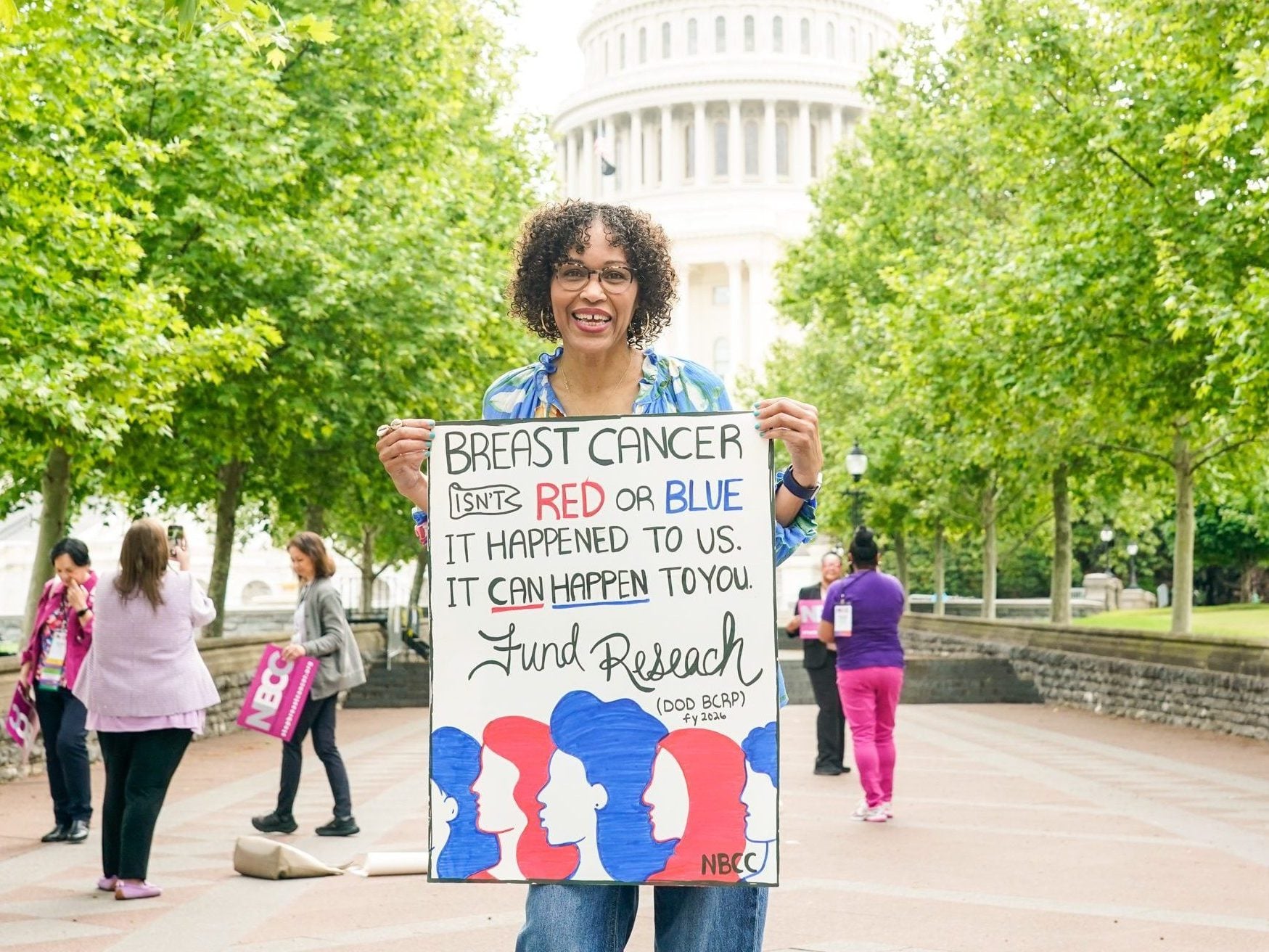
Thanks to NBCC’s relentless advocacy, Congress has appropriated more than $4.6 billion to support the Department of Defense Breast Cancer Research Program (DOD BCRP) despite overall cuts to federal investments in science and research. These funds have driven lifesaving and transformative discoveries in breast cancer research.
2025
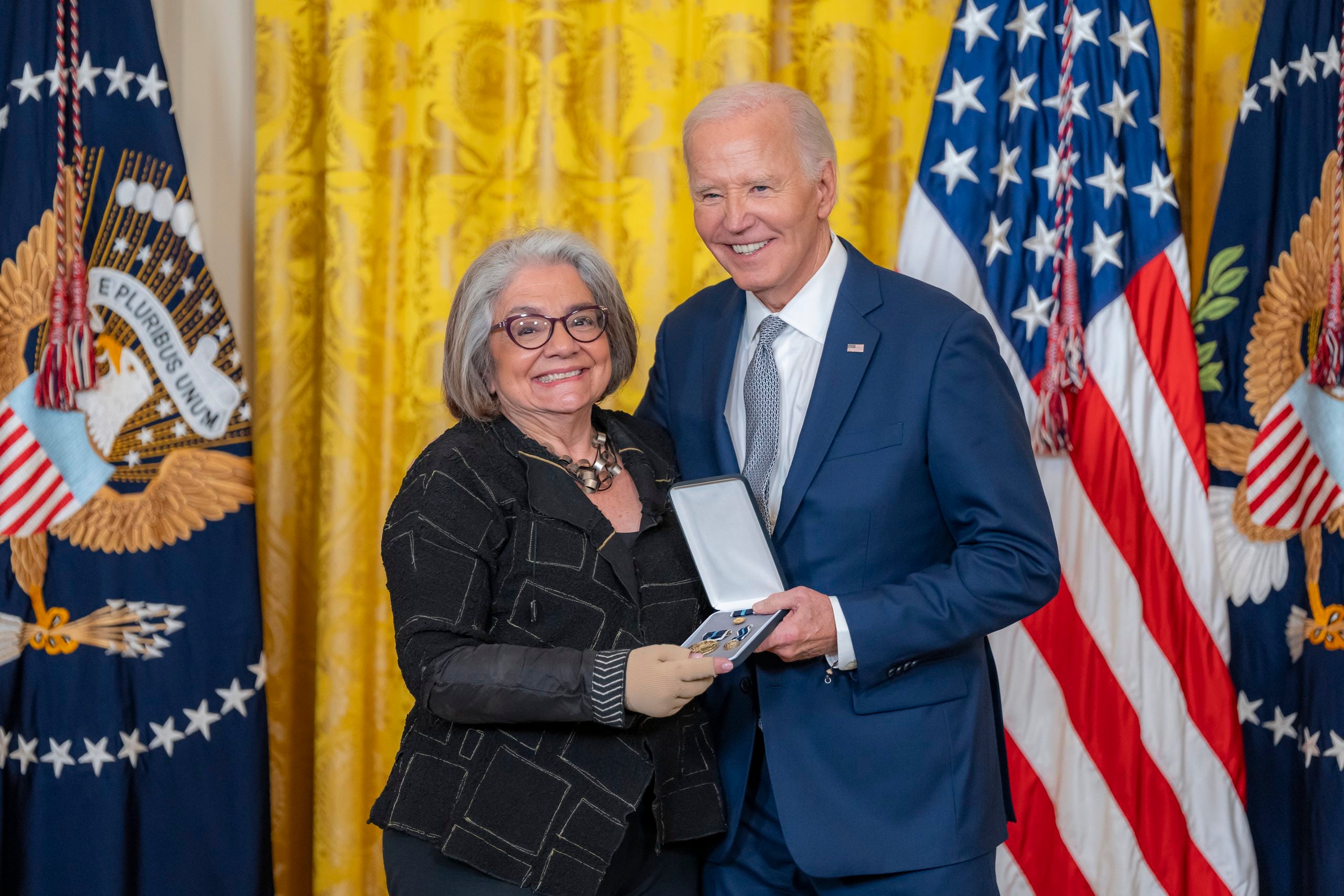
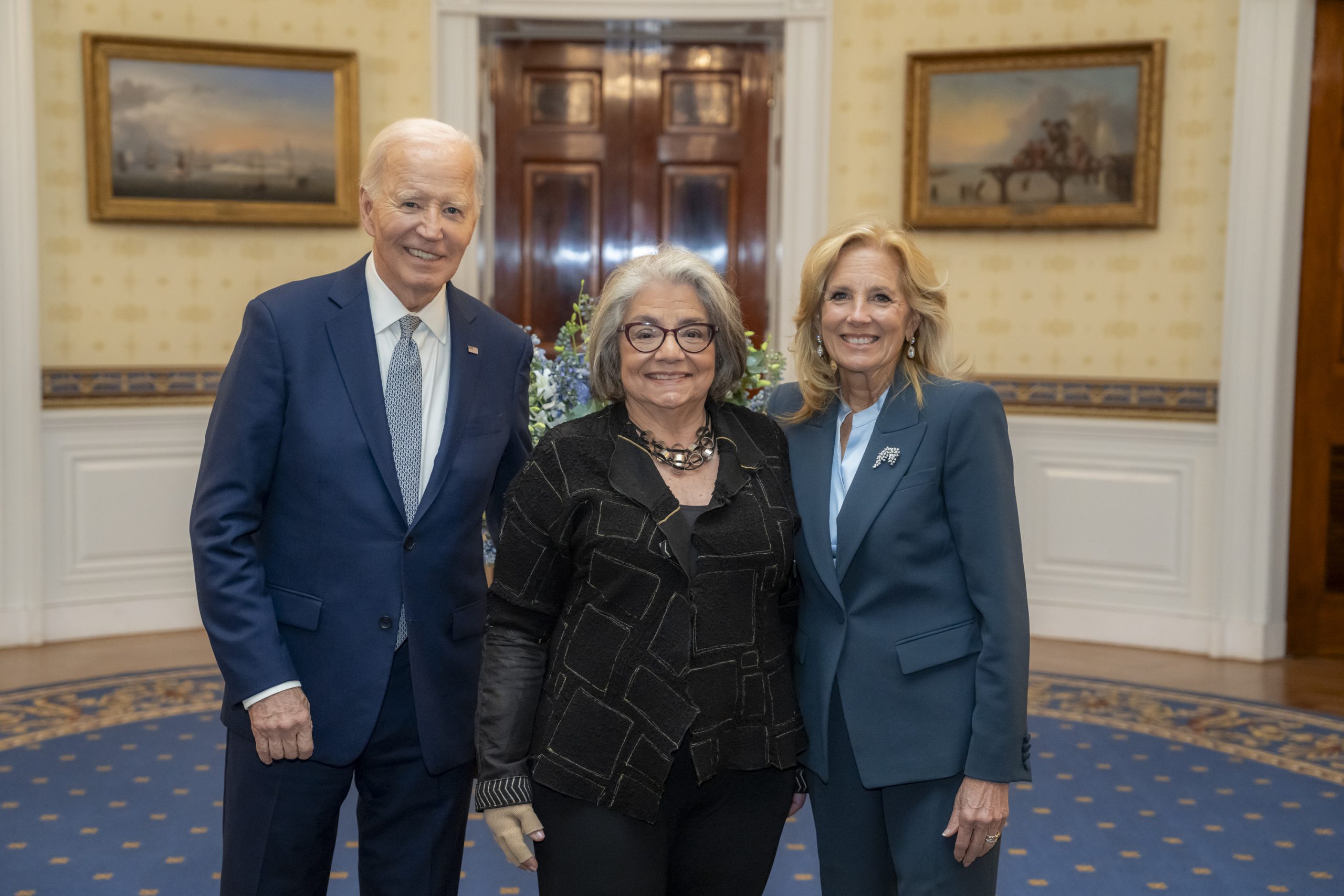
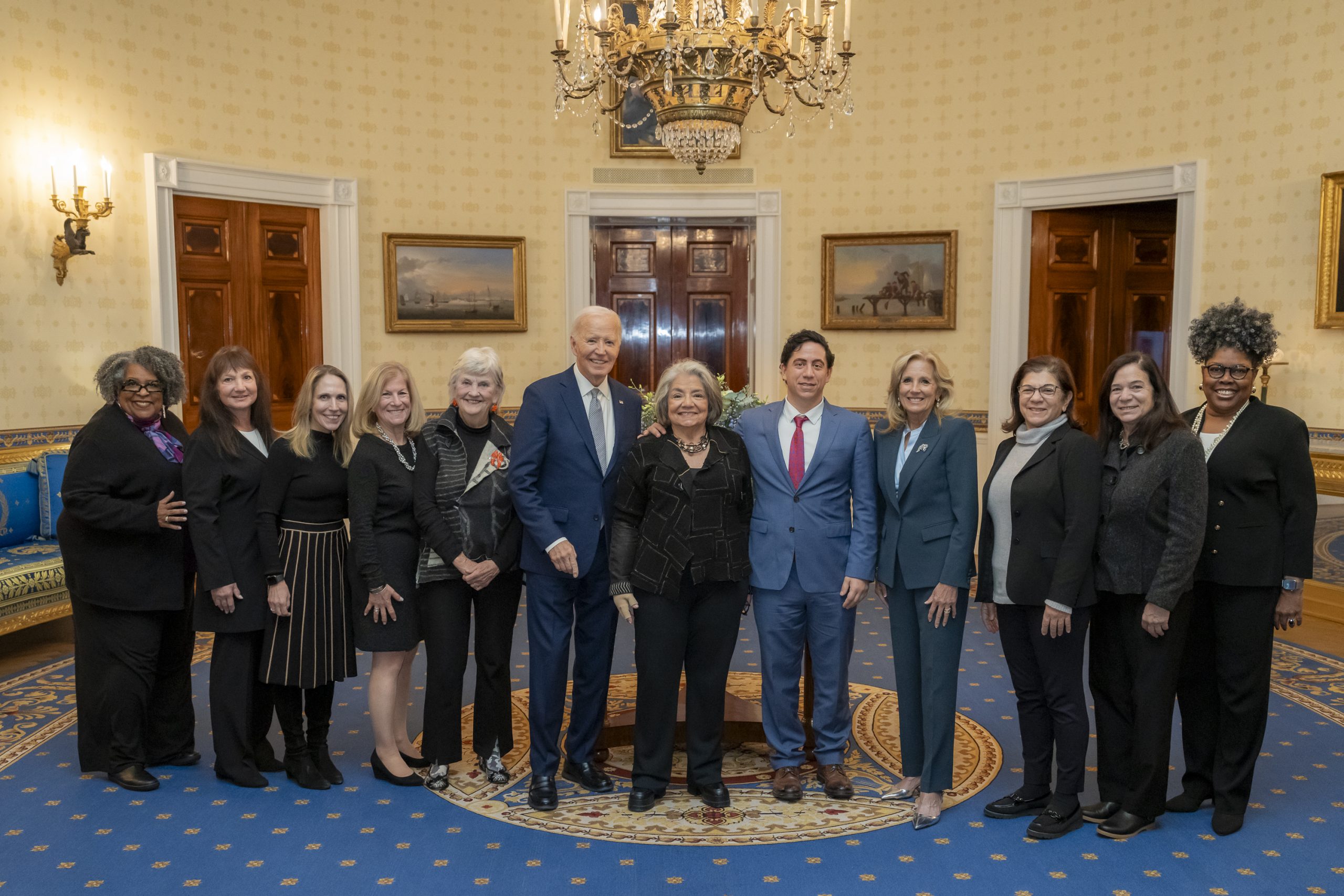
NBCC President Fran Visco Receives Presidential Citizens Medal
The Biden White House honored NBCC President Fran Visco with the Presidential Citizens Medal, the second-highest civilian award in the US, for her lifelong activism.
2024
Metastatic Breast Cancer Access to Care Act Gained Record Support
NBCC advocates secured a record 272 House cosponsors for the Metastatic Breast Cancer Access to Care Act, demonstrating its bipartisan support.
2020
Artemis Project Preventive Vaccine Awarded Contract with NCI PREVENT Program
NBCC’s Artemis Project‘s preventive vaccine was awarded a contract with the National Cancer Institute (NCI) as part of its competitive PREVENT Cancer Preclinical Drug Development Program. PREVENT is a peer-reviewed agent development program designed to support pre-clinical development of innovative interventions and biomarkers for cancer prevention and interception towards clinical trials.
Deadline 2020 Concludes
NBCC published the Deadline 2020 White PaperPDF, diving deep into the campaign’s successes and outlining future plans. The report tells the story of Deadline 2020—how the science, business, and politics of breast cancer brought us to set a deadline; what we learned from taking on such a bold goal; our progress toward ending breast cancer; and our next steps.
A third-party assessment of the Deadline 2020 campaignPDF confirmed NBCC’s distinctive role in the breast cancer community. NBCC’s systematic understanding of research and development—the connections among policy, scientific research, patient outcomes, and institutional structures—makes NBCC and its impact unique within the field of breast cancer research and advocacy.
2019
The NATALEE Trial
NBCC began its collaboration with Translational Research in Oncology (TRIO) and Novartis on the NATALEE trial, a clinical trial of CDK4/6 inhibitors in early high-risk HR+/HER2- breast cancer. Our advocates serve on the clinical trial steering committee, the data safety monitoring board, and the translational research committee.
2018
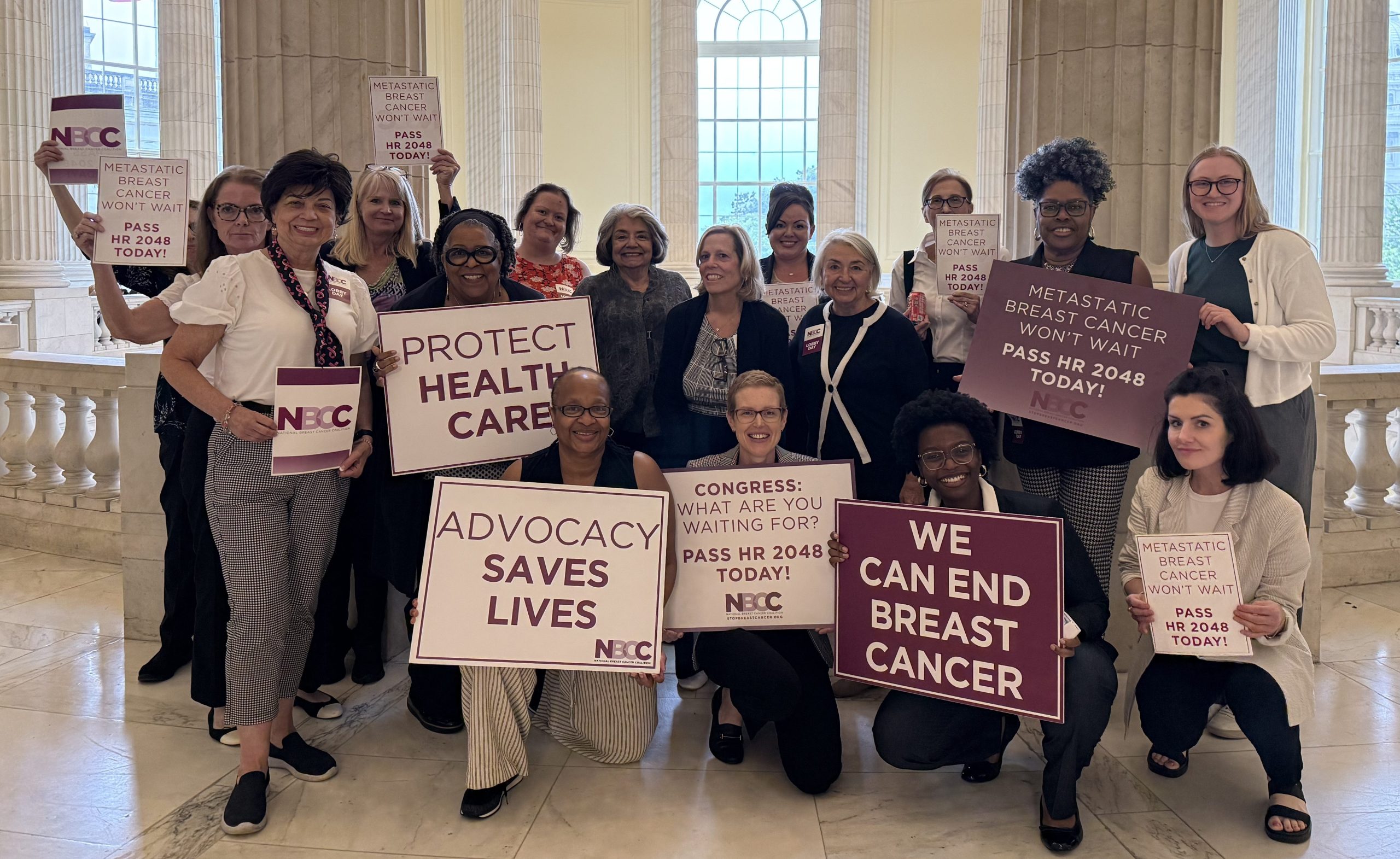
Introduction of the Metastatic Breast Cancer Access to Care Act
Initiated by NBCC, the Metastatic Breast Cancer Access to Care Act is a bill to waive the 24-month waiting period for Medicare and the 5-month waiting period for Social Security Disability Insurance (SSDI) benefits for eligible individuals living with, and dying from, metastatic breast cancer.
2017
Launched DNA.Land to Develop Large-Scale Genetic Database for Breast Cancer Research
NBCC partnered with the New York Genome Center to develop a large-scale resource to study breast cancer. DNA.Land, supported by an NBCC’s Artemis Project seed grant, asked women and men who participated in genealogy tests to answer questions about breast cancer, including their family history. These genomic data, along with answers from a breast cancer questionnaire developed by NBCC trained advocates and researchers, are the foundation for a large-scale database that researchers can use to identify genetic variants that impact risk and recurrence of the disease.
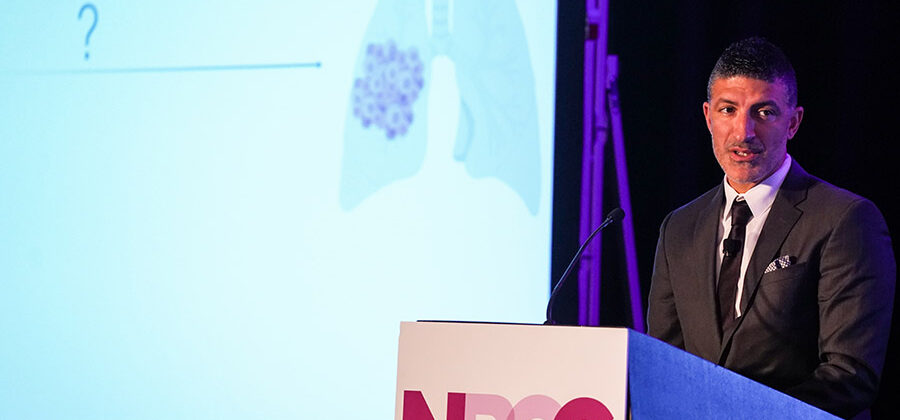
NBCC Awards Seed Grant to Investigate Adaptive Immune Recognition of Dormant DTCs
Through the generous support of National Philanthropic Trust, NBCC’s Artemis Project awarded a seed grant to Dr. Cyrus Ghajar, director, Laboratory for the Study of Metastatic Microenvironments, Fred Hutchinson Cancer Research Center and Dr. H. Kim Lyerly, George Barth Geller Professor of Cancer Research, Duke University School of Medicine, to determine whether the adaptive immune system can recognize and kill dormant disseminated tumor cells (DTCs), and if not, which aspect of DTC biology should be targeted to enhance T cell recognition.
2016
Pre-Clinical Work Began on Artemis Project Preventive Vaccine
Keith Knutson, professor of immunology, College of Medicine, Mayo Clinic, began pre-clinical work on the Artemis Project preventive vaccine. These efforts have resulted in a preventive vaccine development plan presented to the Food and Drug Administration in 2018, with plans for a Phase I safety trial in 2026.
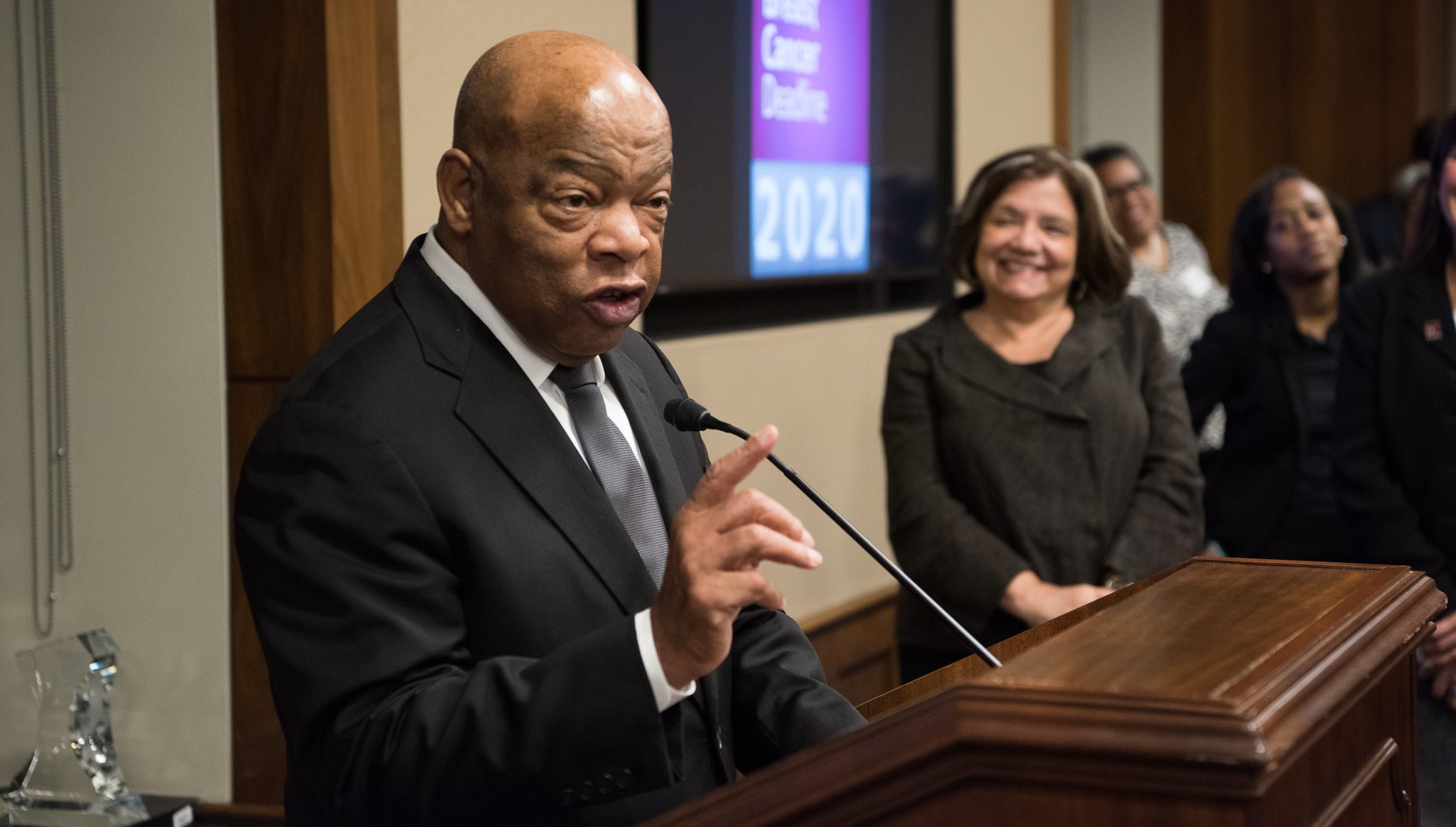
NBCC Honored Congressman John Lewis with First-Ever Deadline Champion Award
For his leadership in our mission to end breast cancer, NBCC honored Representative John Lewis with the Deadline Champion Award.
2013
Awarded Seed Grant to Investigate Candidate Viral Causes of Breast Cancer
Through the generous support of National Philanthropic Trust, the NBCC Artemis Project awarded a seed grant to Dr. Paul Ewald, Professor of Biology and Director, Program on Disease Evolution at the University of Louisville, and Dr. Vladimir Belyi, Assistant Professor at the Cancer Institute of New Jersey, Robert Wood Johnson Medical School. The researchers took a systematic look through two sets of breast cancer genomes for evidence of infectious agents.
Awarded Seed Grant to Look for Vaccine Targets in DCIS Samples
Through the generous support of National Philanthropic Trust, NBCC’s Artemis Project awarded a seed grant to Dr. Gregory Hannon, Professor and HHMI Investigator at Cold Spring Harbor Laboratory and Dr. H. Kim Lyerly, George Barth Geller Professor of Cancer Research, Duke University School of Medicine. Drs. Hannon and Lyerly collaborated on efforts to evaluate the biology of human ductal carcinoma in situ (DCIS) through RNA sequencing.
Hosted Inaugural Advocate Leadership Summit
NBCC convened the first Advocate Leadership Summit, three days of educational and strategy-building sessions to train and empower breast cancer advocates and others by providing information and background about breast cancer as well as the tools and tactics necessary to take a leadership role in breast cancer advocacy.
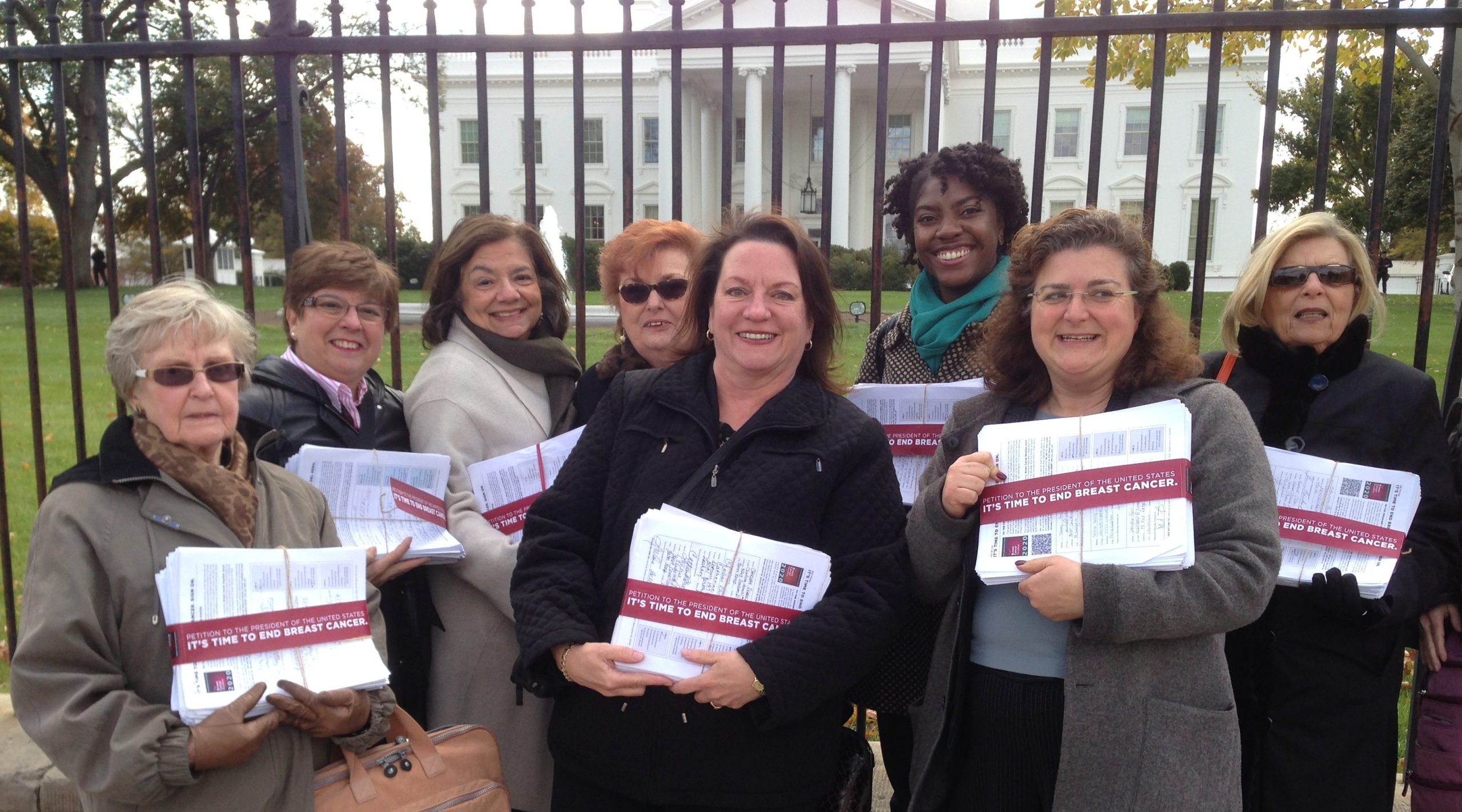
More than 300,000 Signatures Delivered to the White House
NBCC advocates collected more than 300,000 signatures and delivered them to the White House, asking for President Obama’s commitment to prioritize ending breast cancer.
2012
Awarded Seed Grant to Identify Possible Vaccine Targets for Preventive Vaccine
Through the generous support of National Philanthropic Trust, NBCC awarded its first seed grant to Drs. Paul Spellman and Joe Gray of Oregon Health and Science University to identify possible vaccine targets using existing and developing human genomic data within different breast cancer subtypes. The analysis generated a prioritized list of potential breast cancer specific targets to be considered for incorporation into a preventive vaccine. This seed grant is part of NBCC’s Artemis Project.
2011
Accelerating the End of Breast Cancer Act Introduced
NBCC initiated the Accelerating the End of Breast Cancer Act, which laid out a strategy for government involvement in NBCC’s deadline to end breast cancer by January 1, 2020. This bill would have created a national commission to capitalize on federal and private investments already made in science and technology development and develop a plan to accelerate innovation in breast cancer.
2010
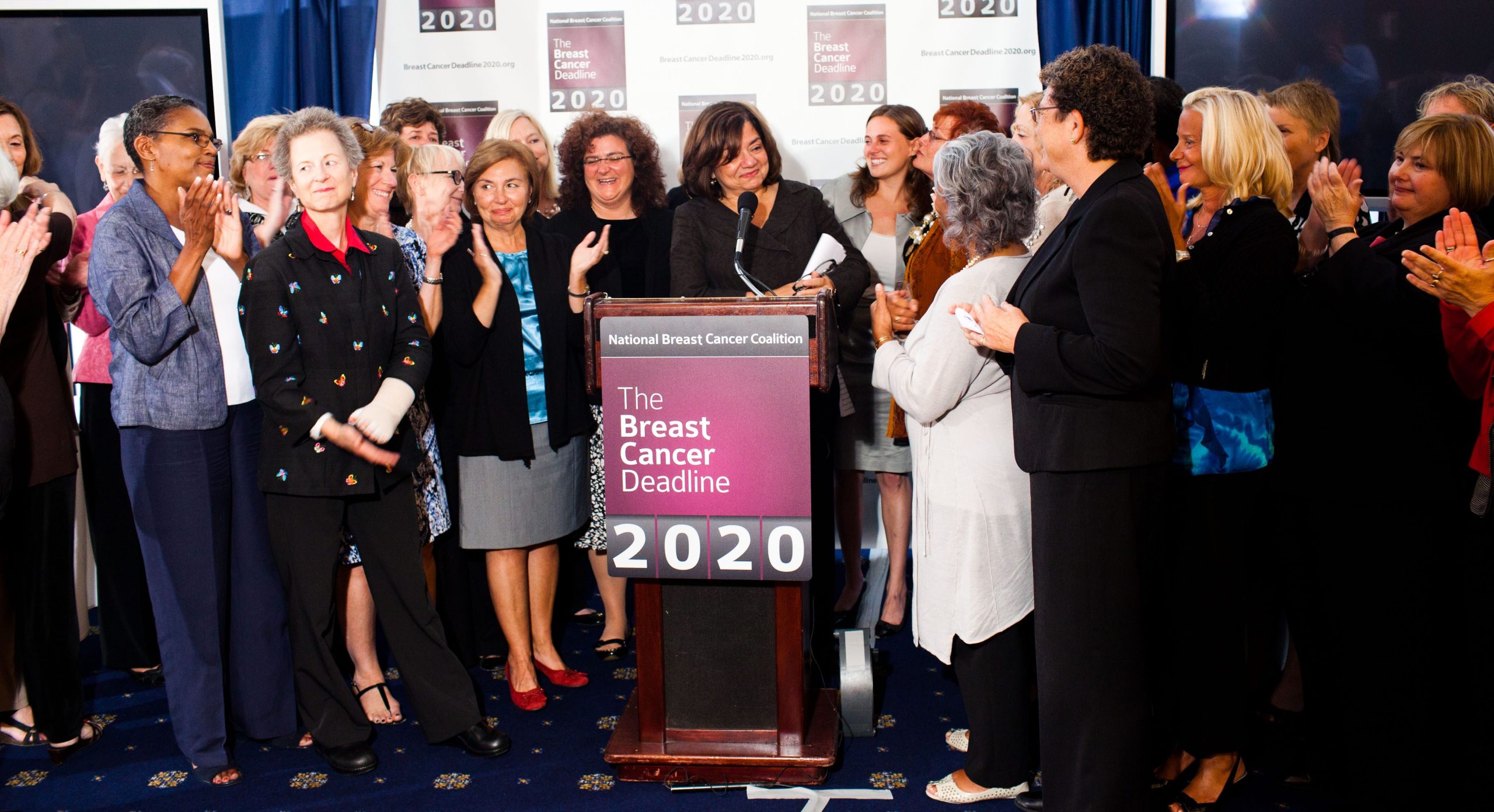
Set a Deadline to Know How to End Breast Cancer by January 1, 2020
To renew the sense of urgency to our mission and to refocus global efforts on ending breast cancer and saving lives, NBCC set a deadline to know how to end breast cancer by January 1, 2020: Breast Cancer Deadline 2020®PDF. NBCC created a strategic plan of action to achieve this goalPDF, focused on primary prevention—stopping women from getting breast cancer—and understanding and preventing metastasis—the spread of cancer.
Launched the Artemis Project®
The Artemis Project is an innovative advocate-led, mission-driven approach of strategic summits, catalytic workshops, research action plans, and collaborative research efforts from various stakeholders focused on:
- Primary prevention: How do we stop people from getting breast cancer?
- Prevention of metastasis: How do we stop people from dying of breast cancer?
2005
The TAILORx Trial
NBCC began working with the National Cancer Institute on a clinical trial, TAILORx, which would help determine if certain women with ER-positive, node-negative, early breast cancer (approximately 50% of women diagnosed with breast cancer) required chemotherapy or if they would do as well on hormonal therapy alone, such as tamoxifen. NBCC advocates served on the steering committee, gave input into the clinical trial protocol design, and served on the data safety monitoring board. NBCC publicized the trial and helped women decide whether to enroll.
Hosted a Strategic Consensus Conference on Biomarker Research
NBCC gathered a group of 50 world-renowned researchers from academia, government, and industry; key representatives from regulatory agencies; leaders in the breast cancer advocacy movement; and public policy and ethics experts for a strategic consensus conference to understand the promise of biomarker research and ensure this research efficiently answers clinically relevant questions about breast cancer. A report on the conference, Shaping the Future of Biomarker Research in Breast Cancer to Ensure Clinical Relevance, was published in Nature in April 2007.
2003
Top 25 Most Influential Groups in National Health Policy
As a testament to the power of NBCC advocates, NBCC was named one of the top 25 most influential groups in national health policy in a University of Chicago survey.
2002
“Not Just Ribbons” Campaign
NBCC launched “Not Just Ribbons,” the first public service campaign in NBCC’s 11-year history. This national publicity campaign was designed to attract new advocates to the cause and served as a reminder that pink ribbons and postage stamps alone will not end breast cancer.
1999
Initiated a Clinical Trials Initiative
NBCC educates members on the importance of clinical trials; increases the influence of breast cancer survivors in trial design, access, and accrual; and advocates for public policies to encourage access to trials and mandate insurance coverage of participation in qualified trials. Over the years, NBCC-trained advocates collaborated on many important clinical trials designed to change the paradigm of treatment for those with breast cancer.
Breast Cancer Environmental Research Act First Introduced in the House
The Breast Cancer Environmental Research Act called for the creation of a national research strategy and program to competitively fund collaborations of researchers and community groups to study environmental factors that could be related to the etiology of breast cancer. Though the bill was passed in 2008, the version enacted into law did not align with NBCC’s vision and NBCC withdrew its support of the bill.
1998
Breast and Cervical Cancer Treatment Act Introduced
For a time, low-income and uninsured women could access breast cancer screening but not treatment through federal programs. NBCC advocates channeled that injustice into a public policy strategy and successful fight for a system of care, thus resulting in the Breast and Cervical Cancer Treatment Act. Thanks to NBCC’s advocacy, it was signed into law in October 2000. NBCC continues to advocate for the program and ensure its preservation so that those eligible receive the appropriate screening and treatment they deserve.
Participated in All Levels of Clinical Trials for the Drug Herceptin
A new model of collaboration began when a pharmaceutical company took the bold step of partnering with NBCC in all aspects of their clinical trial. That trial demonstrated the efficacy of Herceptin, and the company credited advocate involvement with dramatically shortening the time from discovery to the market.
1997
Hosted A Global Conference
In March, NBCC held a global conference in Brussels, convening breast cancer advocates from around the world to discuss strategies for women to become involved in breast cancer decision-making within government, the scientific community, and industry. The conference endorsed patient advocates’ status as equal partners with health care professionals, scientists, and policymakers in preventing breast cancer, improving detection and treatment, ensuring access to quality care for all, and eradicating the disease.
1996
Hosted the Nation’s First Breast Cancer Think Tank
To shake up the world of breast cancer, NBCC hosted the Aspen Project, the nation’s first “breast cancer think tank,” bringing together a diverse group of creative thinkers and leaders.
1995
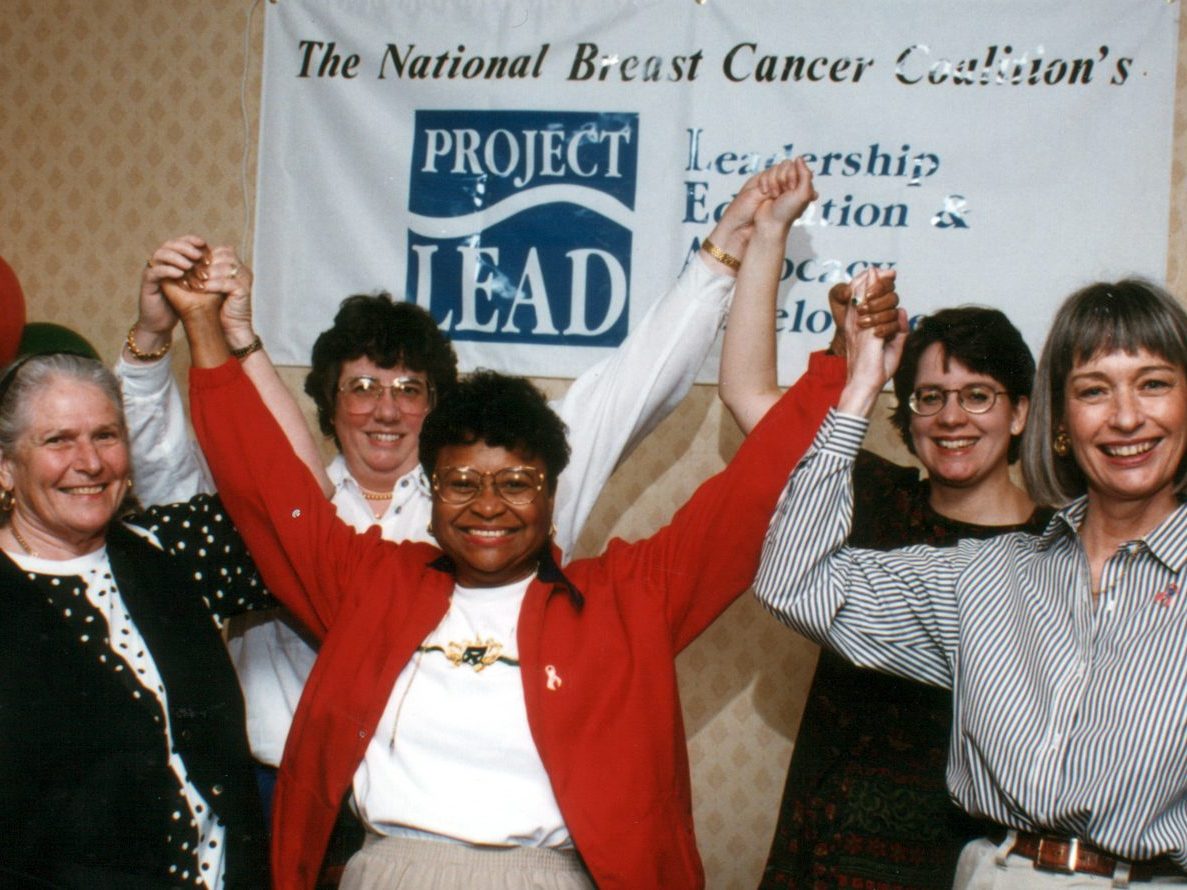
Launched Project LEAD®, NBCC’s Innovative Science Program for Breast Cancer Advocates
NBCC created Leadership, Education, and Advocacy Development (LEAD), an acclaimed science-based program designed to educate and train breast cancer activists to understand the language, concepts, and process of science and to participate in breast cancer research. More than 2,800 advocates have graduated from Project LEAD since its launch.
1993
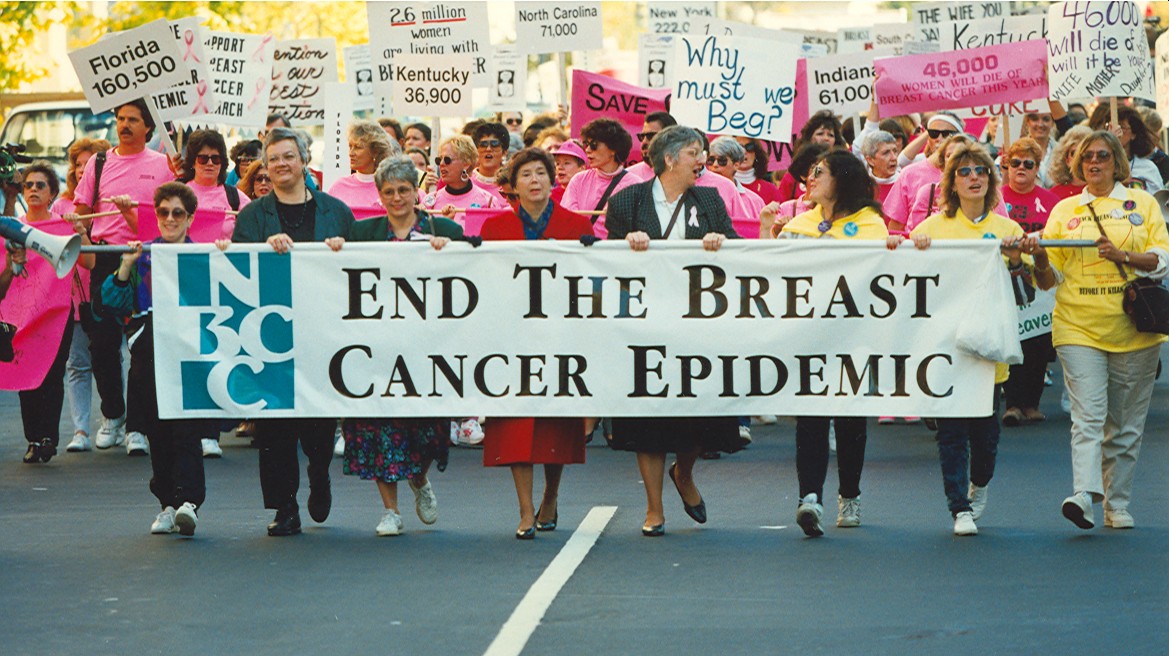
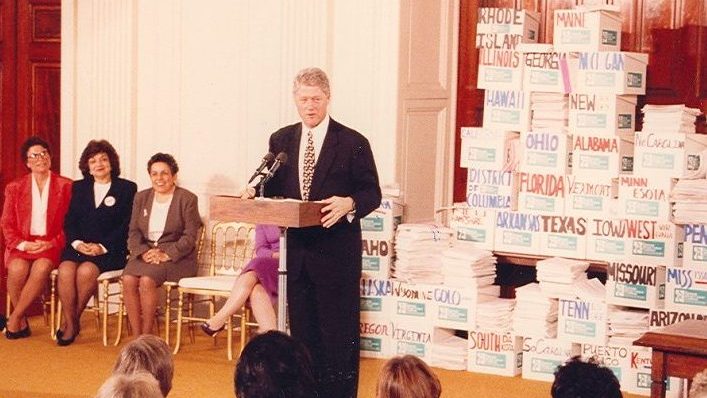
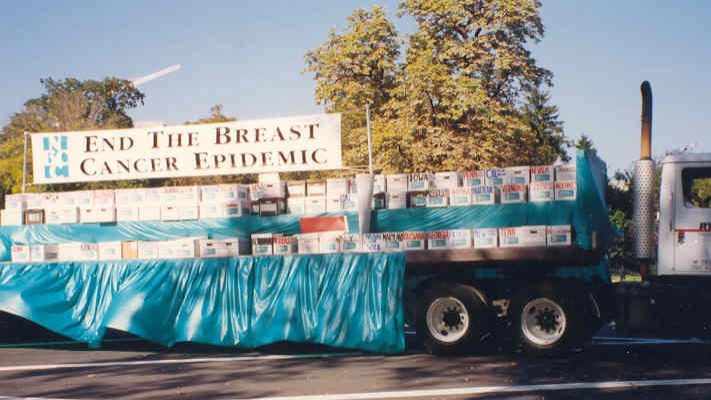
2.6 Million Signatures Campaign
NBCC grassroots advocates collected more than 2.6 million signatures—representing the 1.6 million women in the US with a breast cancer diagnosis and the million more with undiagnosed disease—on a petition demanding a national plan to end breast cancer. Advocates delivered the signatures to President Clinton at the White House that October, and as a result, President Clinton launched the National Action Plan on Breast Cancer.
1992
$300 Million More Campaign
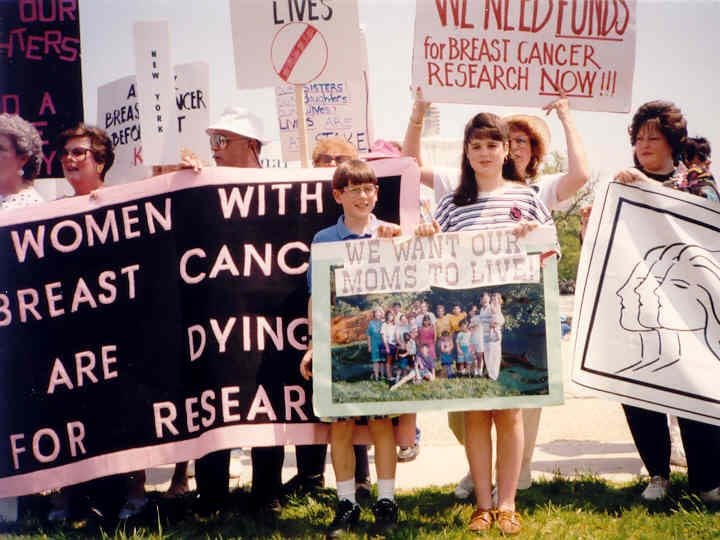
Research hearings helped NBCC establish an optimal funding level for breast cancer research and informed the creation and launch of NBCC’s $300 Million More campaign. As a result, the National Cancer Institute receives an increased appropriation for breast cancer and the Department of Defense Breast Cancer Research Program is created with an unprecedented model of consumer involvement and innovative research. Since its inception, federal funding for this program has reached over $4.6 billion.
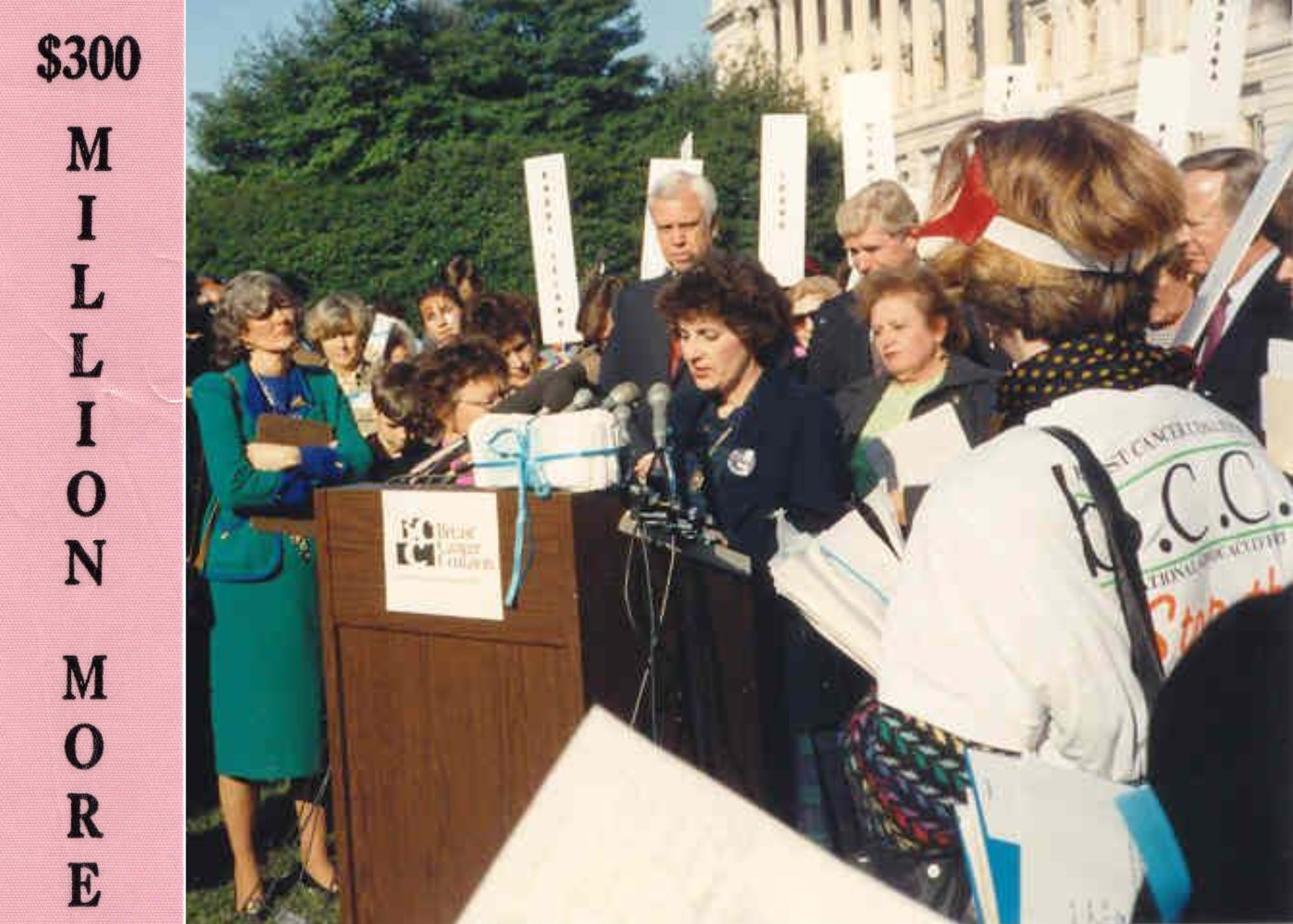
NBCC’s Annual Advocacy Training Conference Established
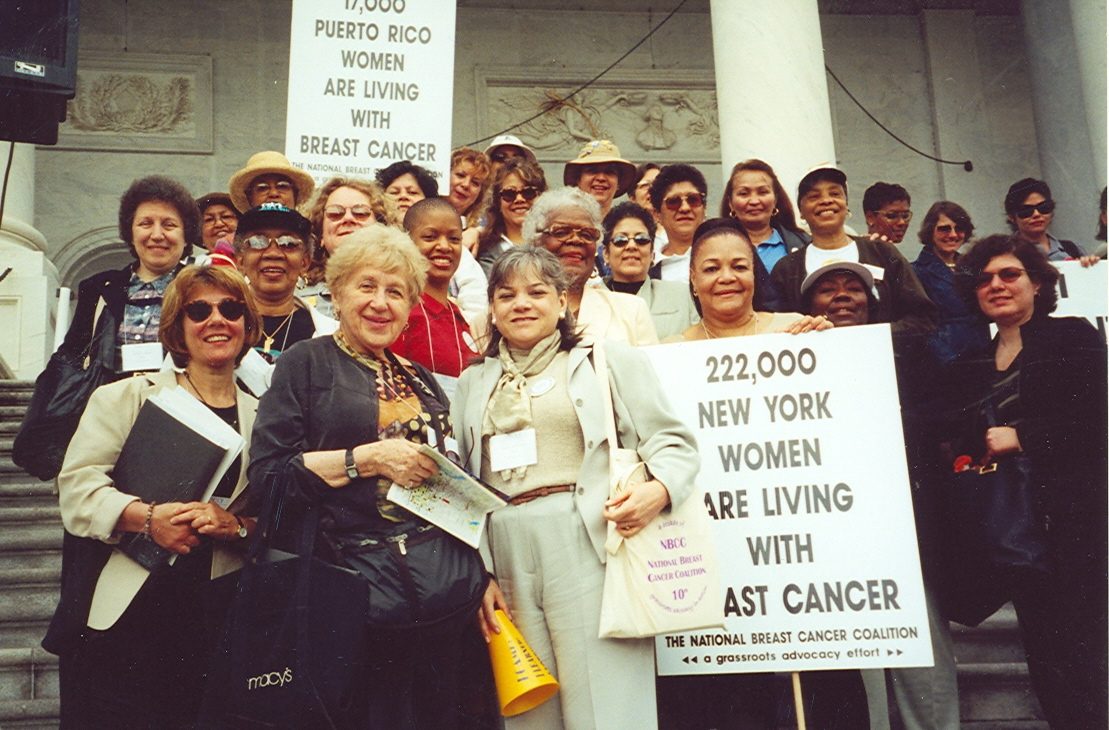
NBCC established an annual advocacy conference to train women and men from across the country to become informed, active, and effective advocates of NBCC’s legislative agenda. NBCC’s annual Washington, DC Lobby Day following the conference allowed members to use their newly acquired skills on Capitol Hill.
1991
600,000 Letters Delivered to Congress and the President
NBCC’s first campaign, Do The Write Thing, set out to deliver 175,000 letters to Congress and the president asking for an increase in funding for research—one letter for each projected breast cancer diagnosis that year. In an extraordinary demonstration of NBCC’s grassroots power, advocates delivered more than 600,000 letters, resulting in a 50% increase in federal funding for breast cancer research.

Creation of a Nationwide Grassroots Network
Organizations and individuals across the country joined NBCC and became part of the movement. To this day, this powerful, effective, and diverse network of trained grassroots activists gives breast cancer a meaningful voice in Washington, DC, state capitals, laboratories, and health care institutions.
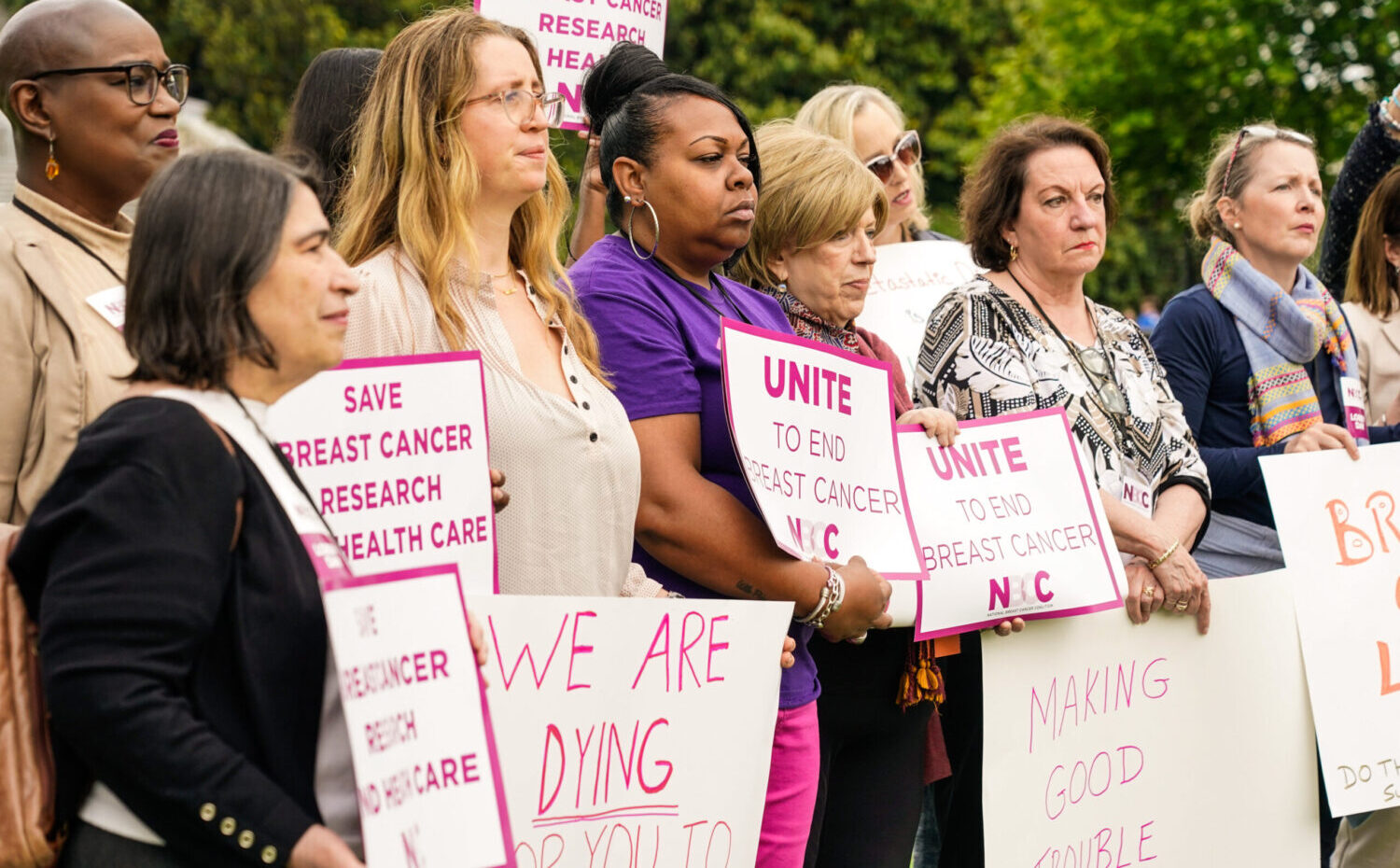
Creation of a Grassroots Board
From the beginning, NBCC has been a grassroots coalition of organizations that reflect the geographic, constituent, and political diversity that is breast cancer. Several organizations form the first NBCC Board of Directors, setting NBCC’s public policy agenda and developing and approving positions and policies.
NBCC Begins
A small group of women decided breast cancer needs a powerful advocacy arm with a single mission: to eradicate breast cancer. A coalition of organizations came together and NBCC was born, launching the breast cancer movement.