
Educated patient advocate voices must be part of all levels of health care decision-making.
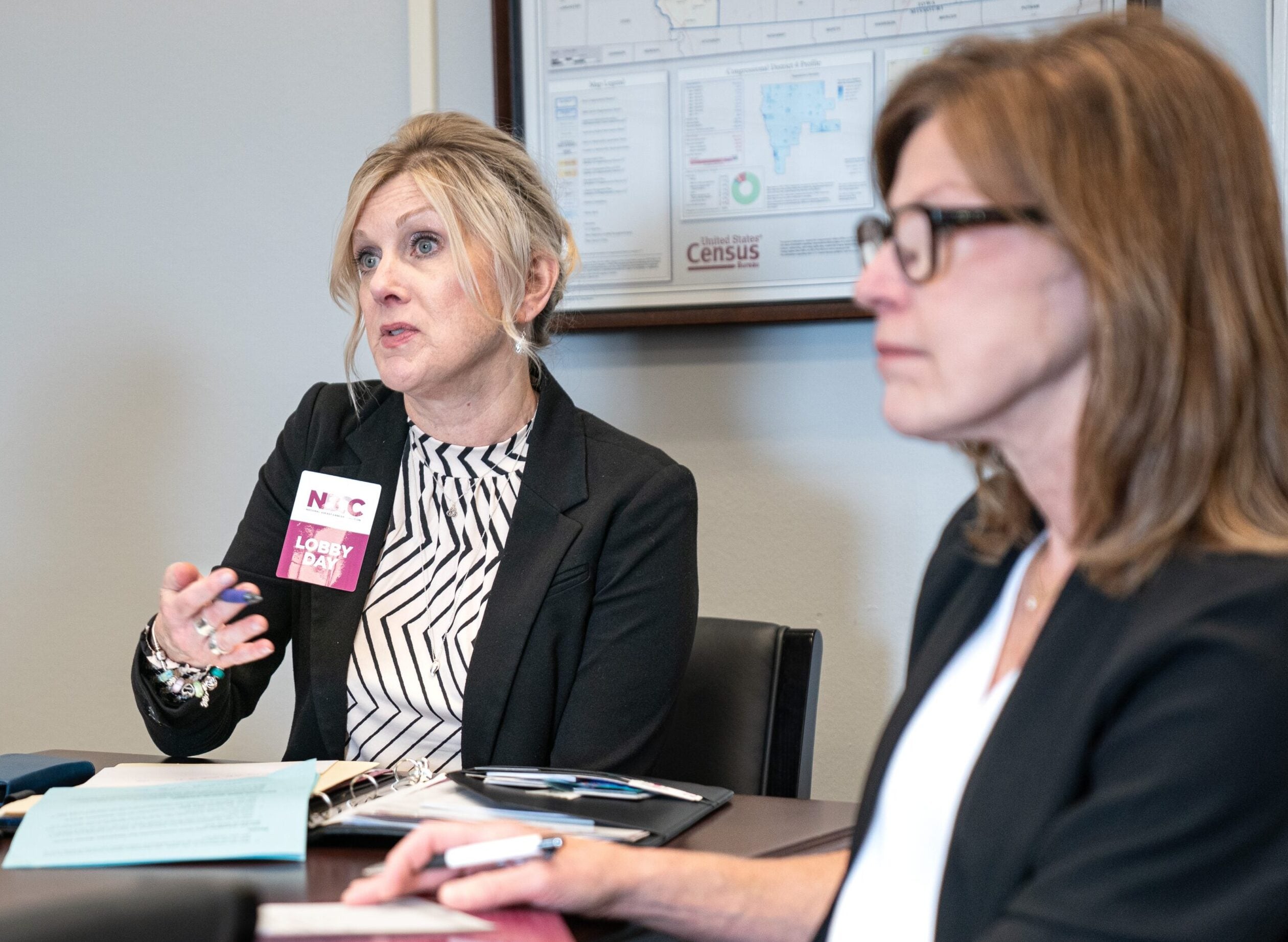
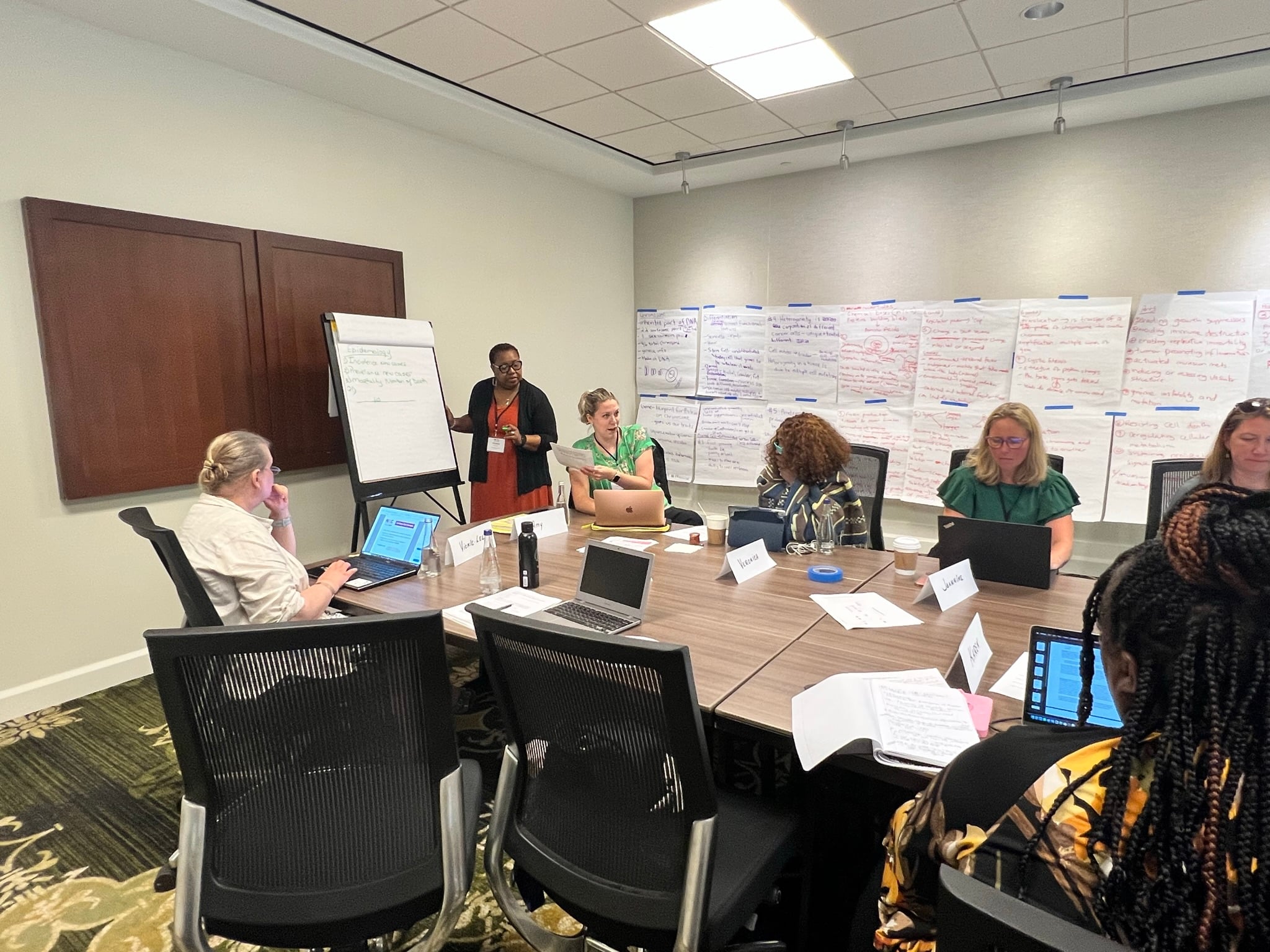
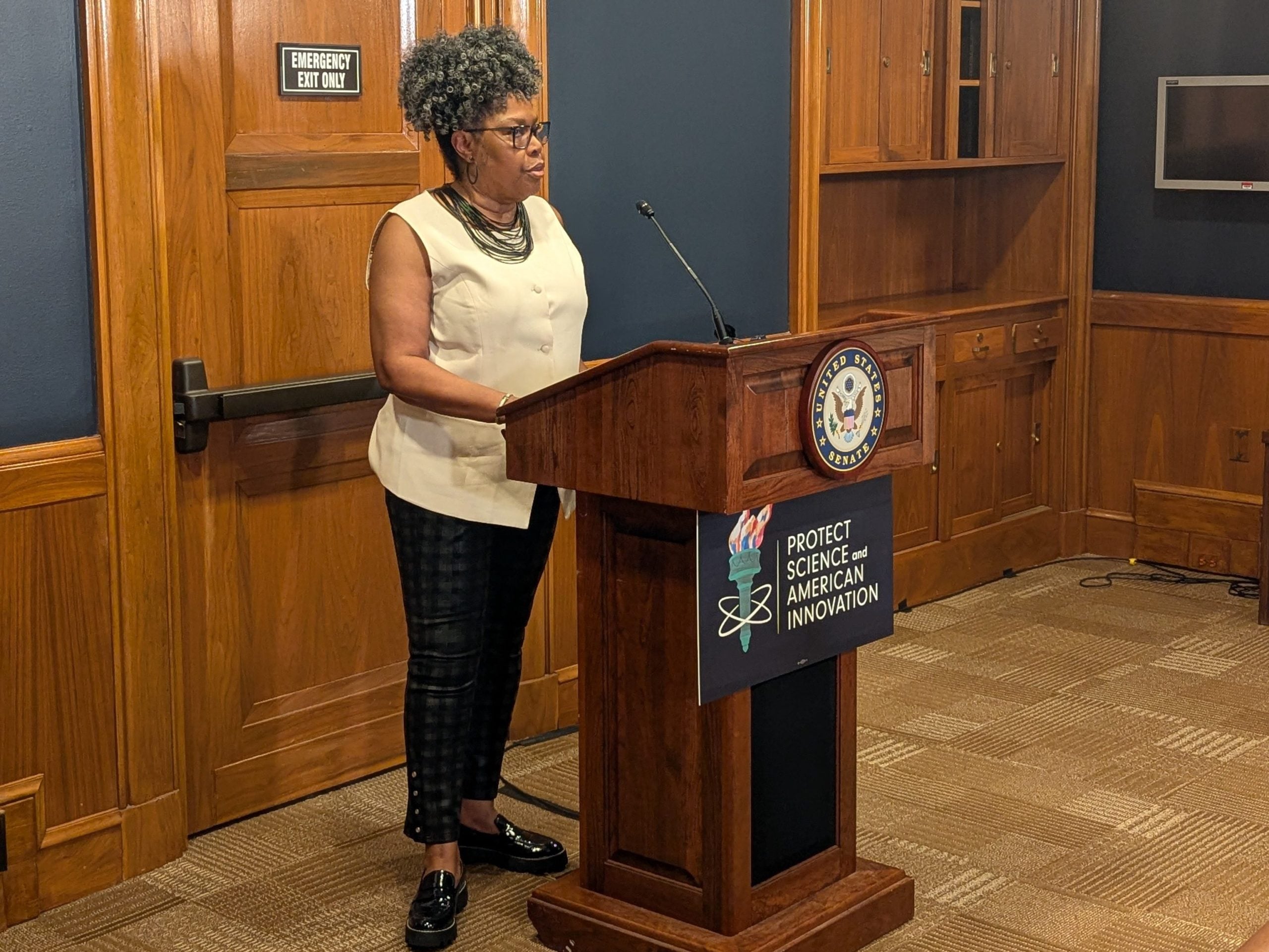
Since the beginning, NBCC has worked to ensure educated breast cancer advocates have a meaningful seat at the table wherever decisions affecting their lives are made: in Washington, DC and state capitals; in laboratories and health care institutions; and in local communities everywhere.
News and Resources
Background
Educated patient advocates provide a unique perspective that others cannot offer. They are the ones who ultimately receive health care services and, along with their families, are required to navigate the complexities of the health insurance and health care delivery systems.
They have no agenda in the scientific community other than looking for the best science and saving lives. They have no conflict of interest. Their perspective cannot be duplicated by the doctors who care for them or the scientists searching for answers.
A lay advocate perspective is key to moving forward to the end of breast cancer.
Patient advocates must:
- Have a patient-led, patient-centered organization with a patient constituency to which they are responsible and accountable;
- Have been personally affected by the disease; and
- Be knowledgeable, trained, prepared, and confident in their ability to participate in the decision-making process of science and medicine.

