
Meaningful partnerships. Better research.

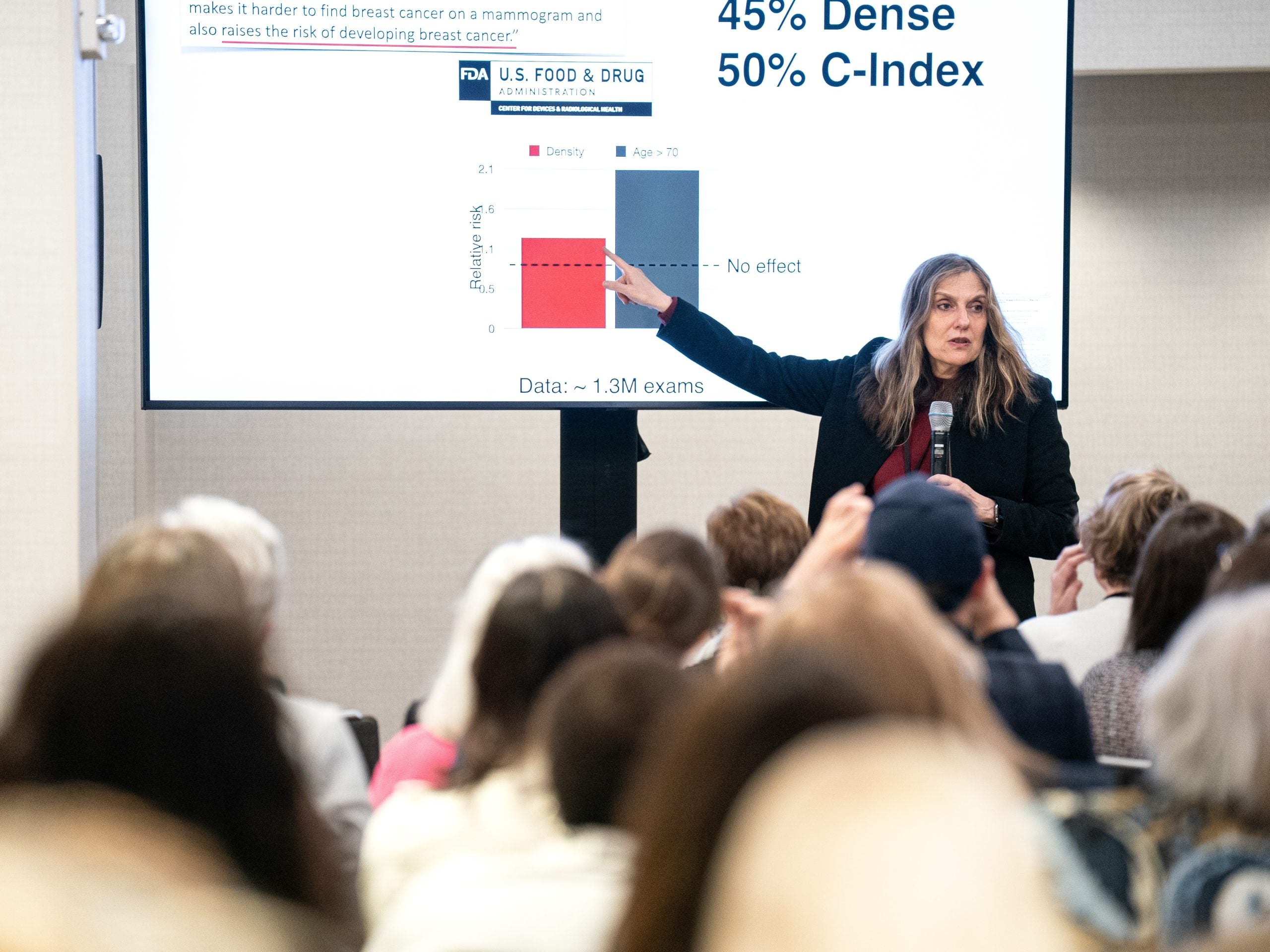

At the National Breast Cancer Coalition (NBCC), we believe that meaningful progress in breast cancer research requires the active involvement of educated patient advocates. Advocates bring independent perspectives, ask critical questions, challenge assumptions, and help ensure that research addresses important questions for people affected by breast cancer.
NBCC advocates collaborate with researchers across the full spectrum of scientific investigation, from basic and preclinical laboratory research to translational studies, clinical trials, and population-based research. Their contributions extend beyond sharing personal experiences to helping shape scientific priorities, evaluate evidence, and influence research decisions.
What Advocates Bring to Research
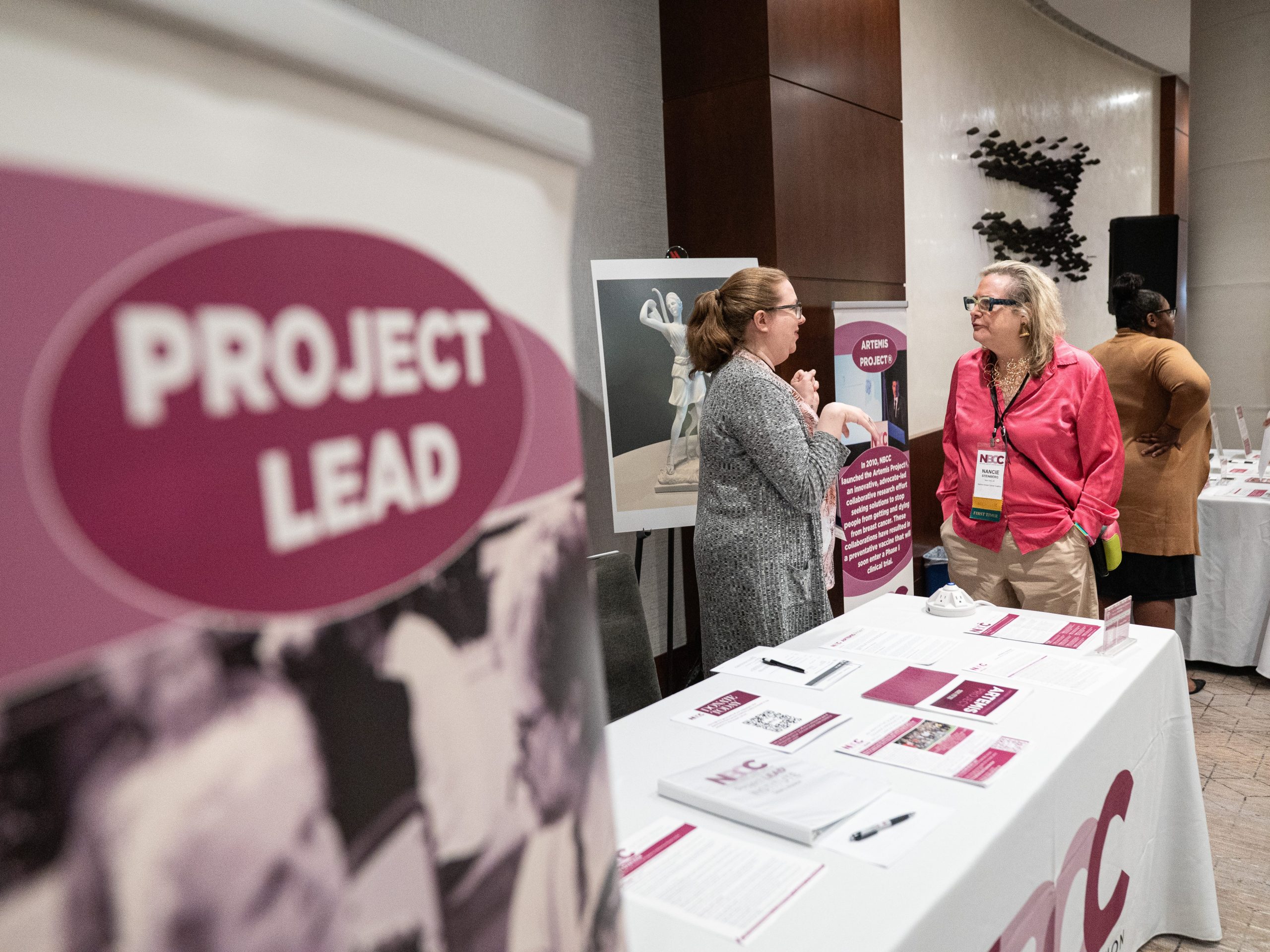

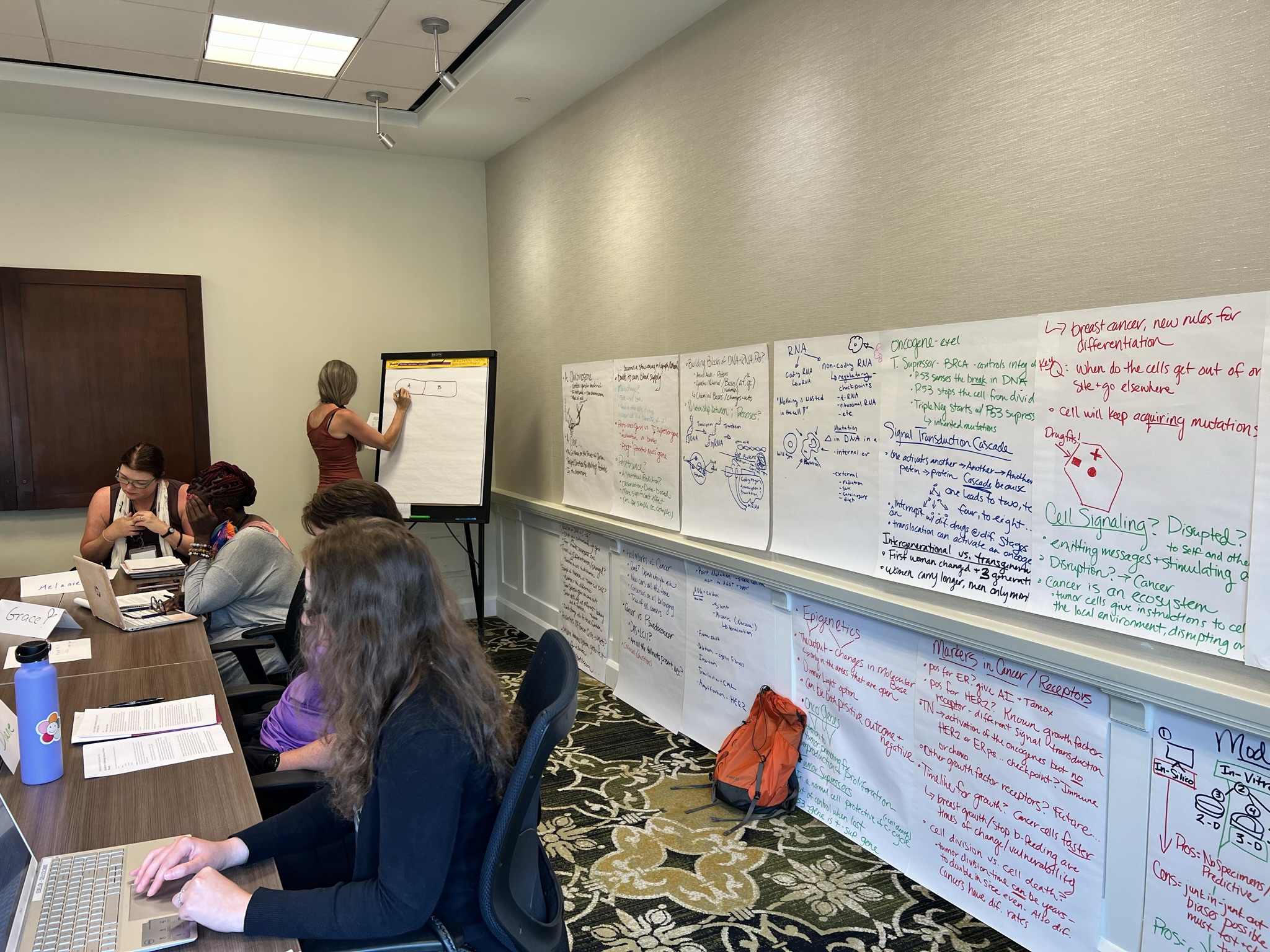
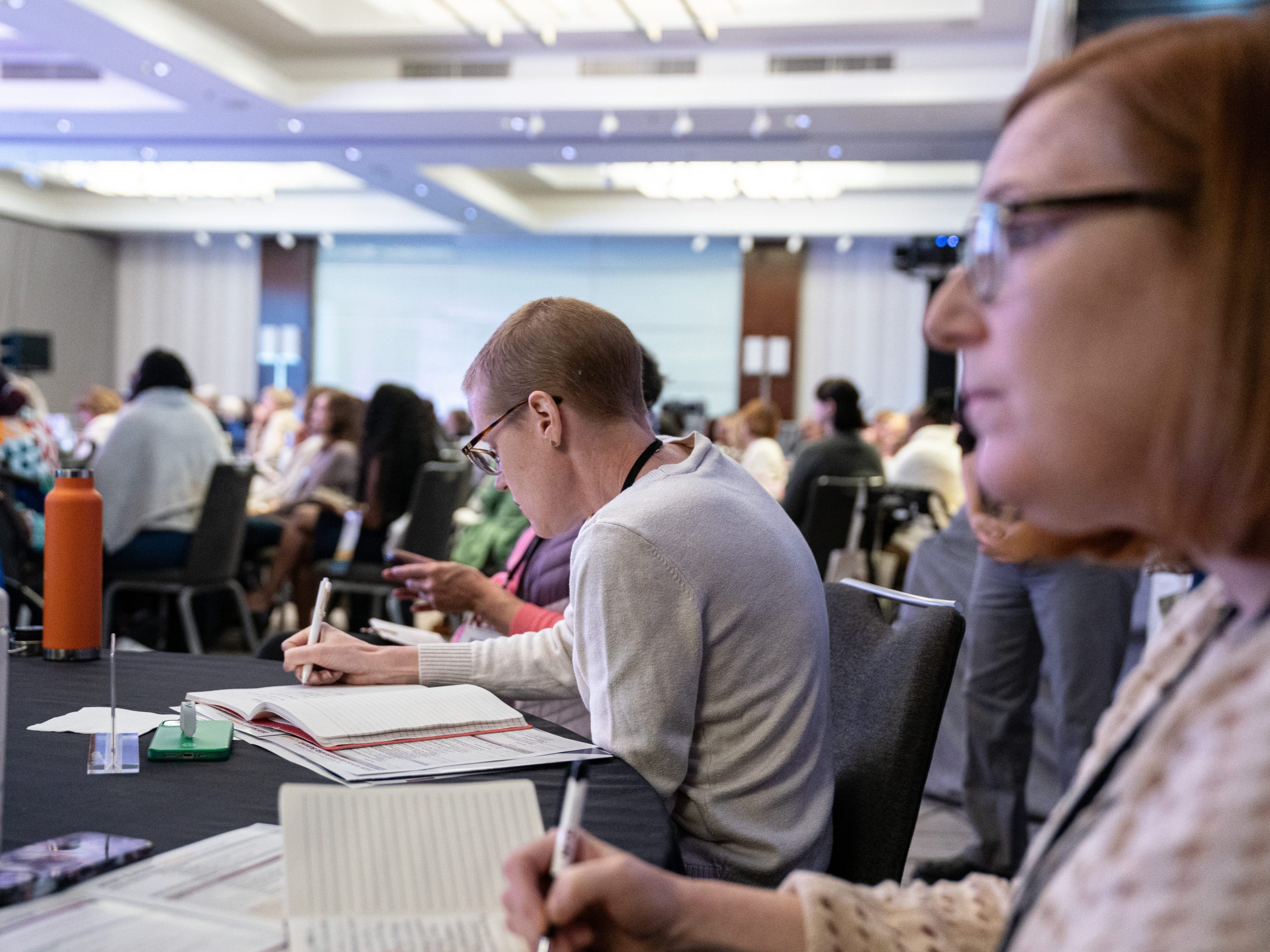
Patient advocates bring perspectives that cannot be replaced by those of scientists or clinicians. Since 1995, NBCC’s Project LEAD has provided rigorous education in breast cancer science, research methods, and critical evaluation of evidence, preparing more than 2,800 advocates to engage substantively in scientific research and decision-making. Thousands more have participated in educational programming through NBCC’s annual Advocate Leadership Summit. NBCC also offers ongoing virtual educational opportunities throughout the year, helping advocates stay informed about emerging science, research developments, and critical issues in breast cancer.
Trained NBCC advocates:
- Help shape research priorities, questions, and study designs.
- Collaborate on basic, preclinical, and translational research, including discussions of scientific hypotheses, experimental approaches, and potential impact.
- Participate in clinical trial development and oversight, including protocol committees, steering committees, and data and safety monitoring boards.
- Review research proposals and serve on scientific advisory boards, research committees, and institutional review boards.
- Contribute to the interpretation and communication of research findings through scientific publications, presentations, and public education.
What Makes a Partnership Meaningful?
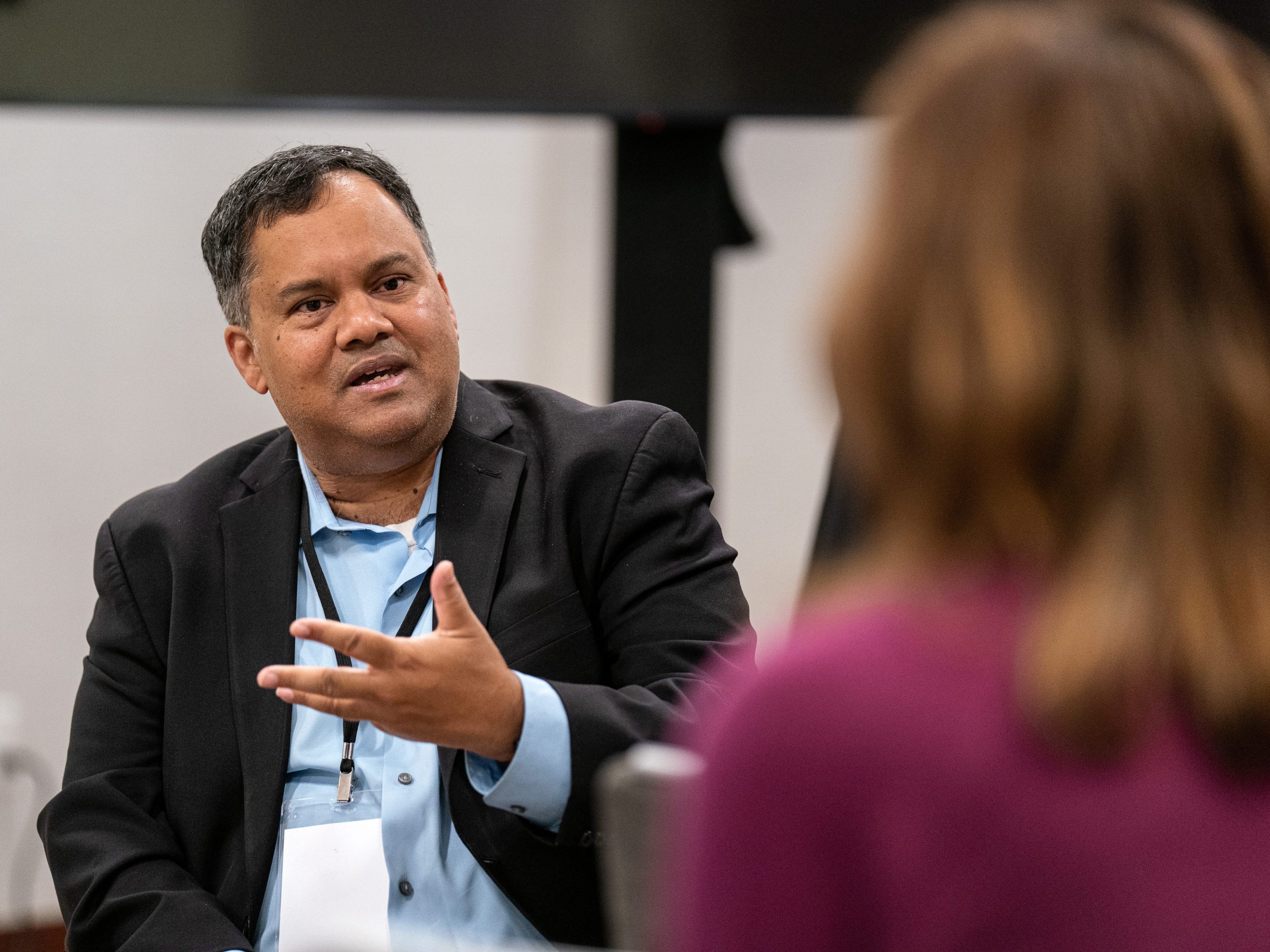
Meaningful advocate–researcher partnerships go beyond including an advocate on a committee or fulfilling a funding requirement. They recognize advocates as active collaborators whose perspectives can inform scientific decisions.
Effective partnerships engage advocates early, establish clear roles and expectations, provide opportunities for substantive participation, and foster mutual respect and open communication. Importantly, advocates must be able to ask difficult questions, challenge assumptions, and offer independent perspectives—even when those perspectives differ from those of the researchers.
The goal is not simply to have advocates at the table, but to ensure their contributions can influence the research.
Partner with NBCC Advocates
NBCC welcomes inquiries from investigators seeking advocate partners for basic, preclinical, translational, clinical, and population-based breast cancer research, including researchers developing grant applications for the Department of Defense Breast Cancer Research Program, the National Institutes of Health, and other funders.
We encourage investigators to engage advocates early in the research process, ideally while developing their research questions and proposals, to create opportunities for meaningful collaboration.
To explore opportunities for collaboration: