
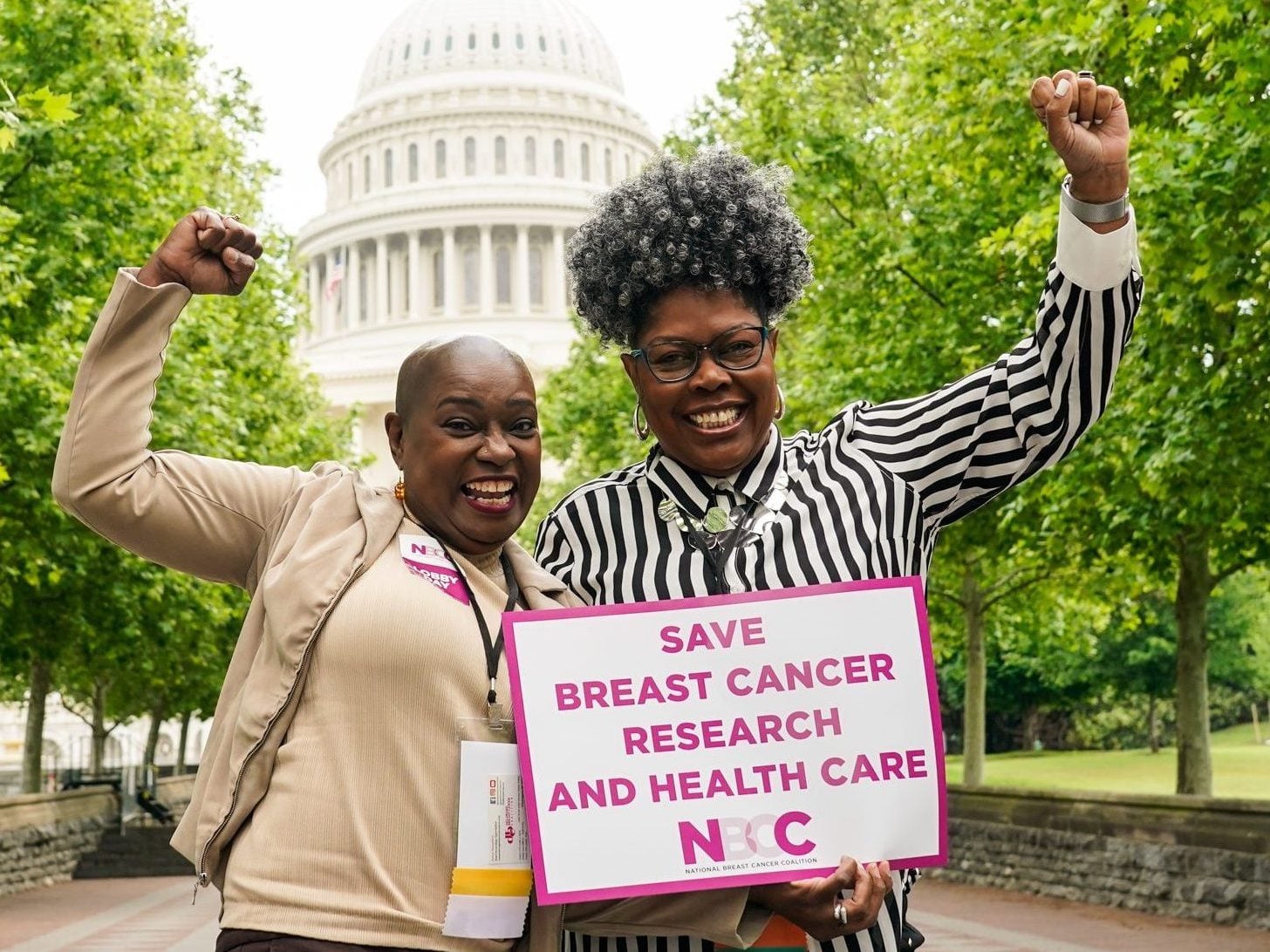
Ensuring everyone has access to quality health care is an urgent and longstanding priority for NBCC, and an essential component of our mission to end breast cancer.
News and Resources
- Trump Administration’s Medicaid Work Requirement Rule Will Harm Breast Cancer Patients
- Punita’s Story: Without ACA Subsidies, My Insurance Costs Will Go Up Substantially
- Action Alert: Tell the Senate It Must Protect Insurance Access
- NBCC Applauds House Vote to Extend ACA Tax Credits
Background
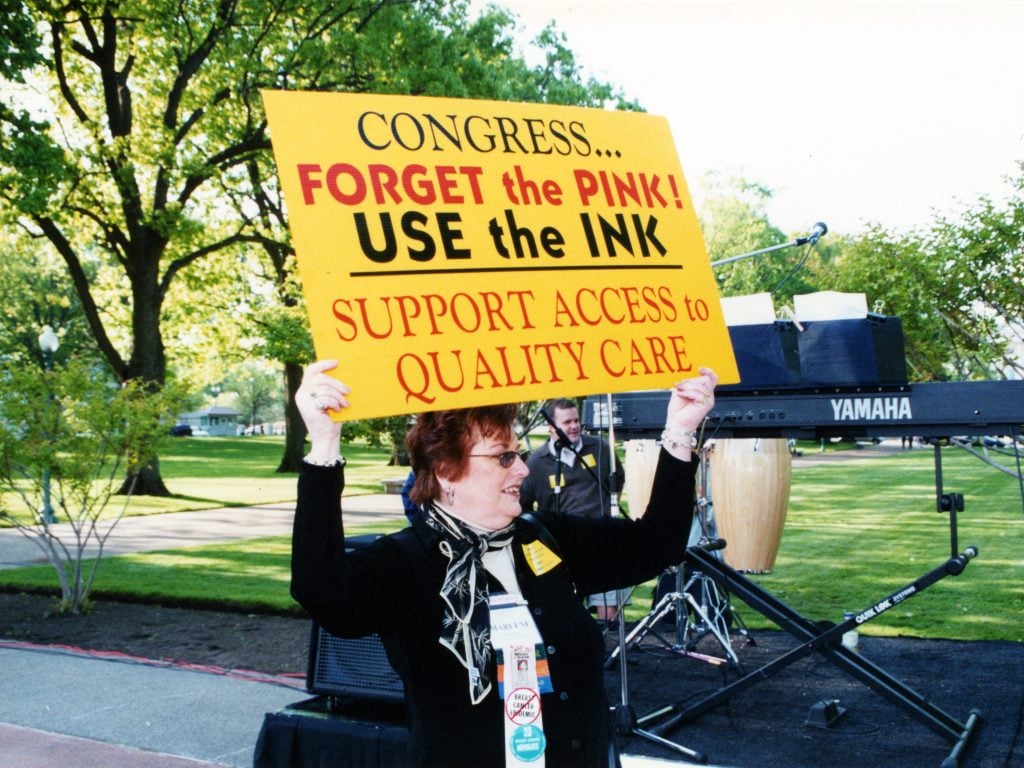
After years of NBCC grassroots lobbying and influence, Congress enacted the Breast and Cervical Cancer Treatment program (BCCT) in 2000, which authorized enhanced matching funds to states to provide Medicaid coverage to uninsured or underinsured women and men diagnosed with breast or cervical cancer. In the decades since, tens of thousands of individuals in all 50 states, the District of Columbia, 5 US territories, and 12 American Indian/Alaska Native tribal organizations have received treatment as a direct result of NBCC’s advocacy.
In 2010, NBCC endorsed and advocated for the passage of the Affordable Care Act (ACA). This landmark legislation marked critical steps forward in providing access to quality health care for individuals with and at risk of breast cancer, and NBCC continues to support its implementation and expansion.
As a result of NBCC’s advocacy, the ACA requires consumer representation on any committees, boards, panels, or commissions formed under the law. Insurance companies must cover routine patient care costs for clinical trial participation and cannot discriminate against an individual based on their involvement in a clinical trial.
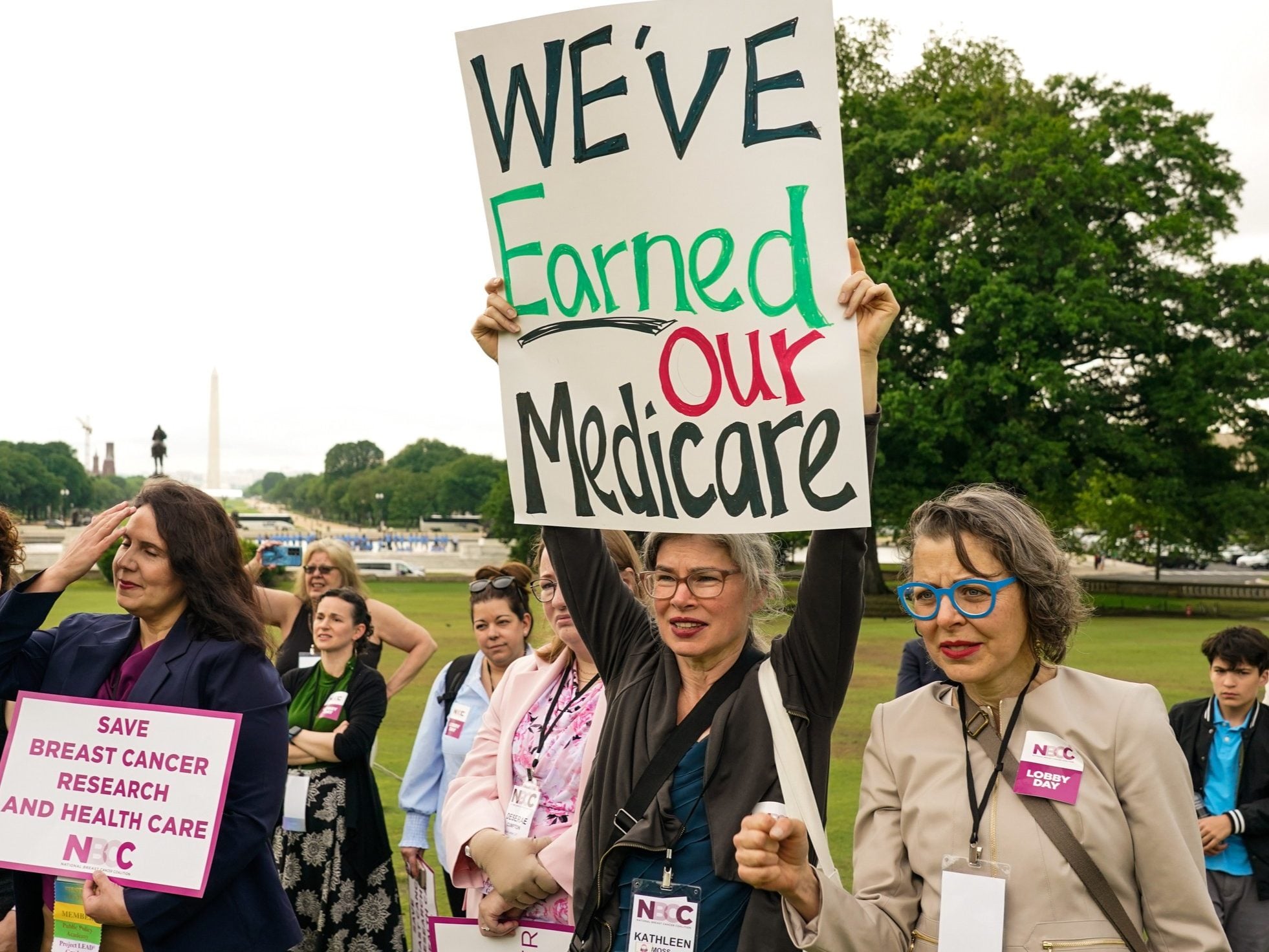
Today, historic cuts to health care access have already impacted millions of Americans, including breast cancer patients whose lives depend on it. The expiration of enhanced ACA premium tax credits at the end of 2025 has dramatically increased costs and expanded the uninsured population by more than 1.5 million people.
Simultaneously, projected Medicaid eligibility changes will result in millions more losing coverage. Together, these shifts will reverse more than a decade of progress.

