
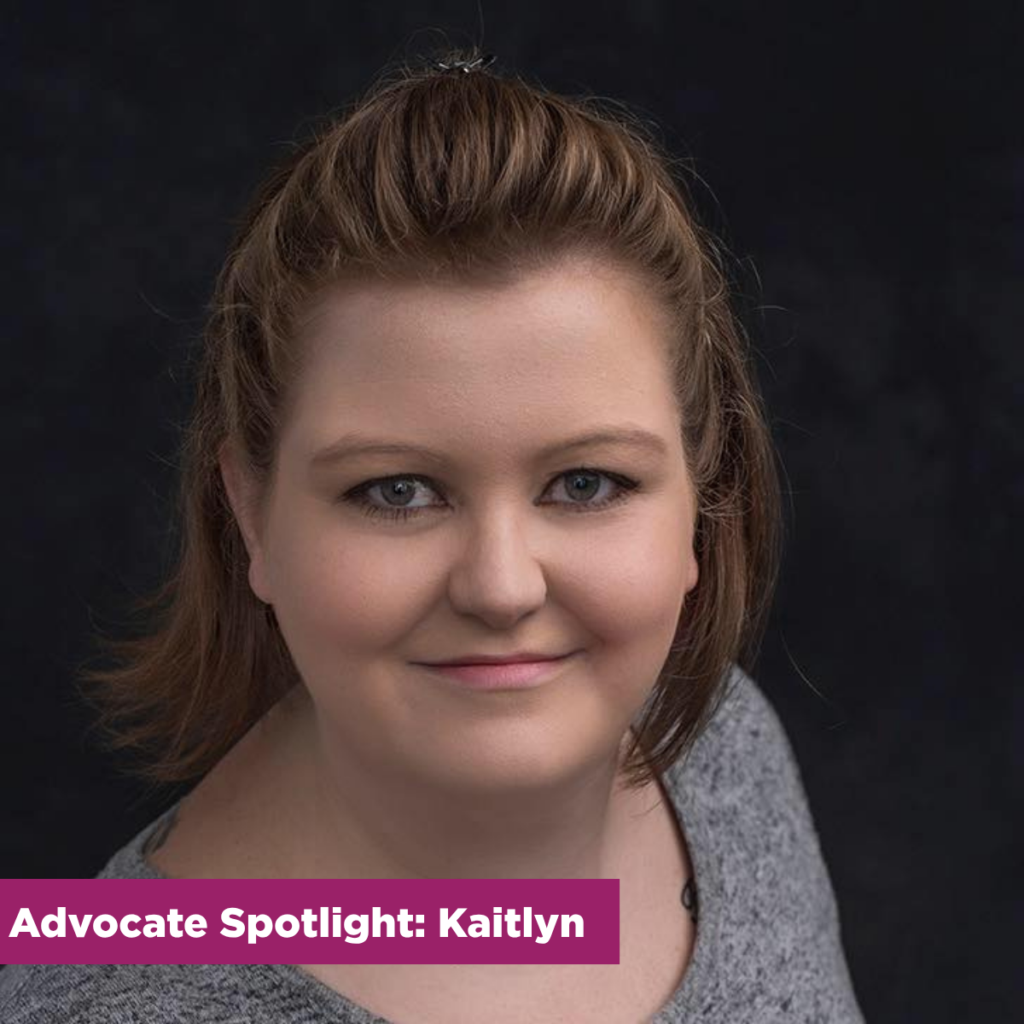
 When I think about the trajectory of my advocacy, Project LEAD stands out as one of the most transformative experiences I have had. Before LEAD, I was already deeply committed to supporting breast cancer patients and pushing for better outcomes—work shaped by my own diagnosis at 27. But LEAD gave me something I did not even realize I was missing: the scientific confidence to match my passion.
Project LEAD did not just teach me the science of breast cancer—it taught me how to use that science. Suddenly, the conversations I was having with researchers, policymakers, and community members shifted. I was not just sharing my story; I was connecting it to mechanisms of metastasis, clinical trial design, and the research gaps that directly affect young, BRCA‑positive, and triple‑negative patients. LEAD gave me the language to advocate not only from the heart, but from evidence.
One of the highlights of my recent advocacy work has been representing North Carolina in Washington, DC with NBCC. This year, I walked into congressional offices not only as a survivor and nonprofit founder but as a trained advocate who could explain why the Department of Defense Breast Cancer Research Program matters, how its scientific model works, and where the research still needs to go. I could speak about the urgency of metastatic disease with both personal clarity and scientific grounding. That combination—lived experience plus LEAD training—has opened doors, deepened conversations, and strengthened relationships with policymakers.
Another highlight has been supporting patients across North Carolina through my foundation. LEAD helped me bring research back to the community in a way that feels accessible and empowering.
If I could offer one piece of advice to fellow LEAD graduates, it would be this: do not underestimate the power of your voice when it is backed by knowledge. LEAD gives us the tools, but it is up to us to use them boldly. Speak up in meetings. Ask the challenging questions. Challenge assumptions. Bring the patient perspective into every room you enter because it belongs there. And remember that advocacy does not always look like a big moment on Capitol Hill. Sometimes it is a conversation with one patient who feels less alone because you showed up with both compassion and clarity.
Project LEAD did not just make me a better advocate. It made me a more confident, more informed, and determined one. And if breast cancer continues to impact the people I love and the communities, I serve, I will keep using what LEAD taught me to push for the change we all deserve.


